This blog with bring you to a dinner table I shared with my brother and two maharajahs.
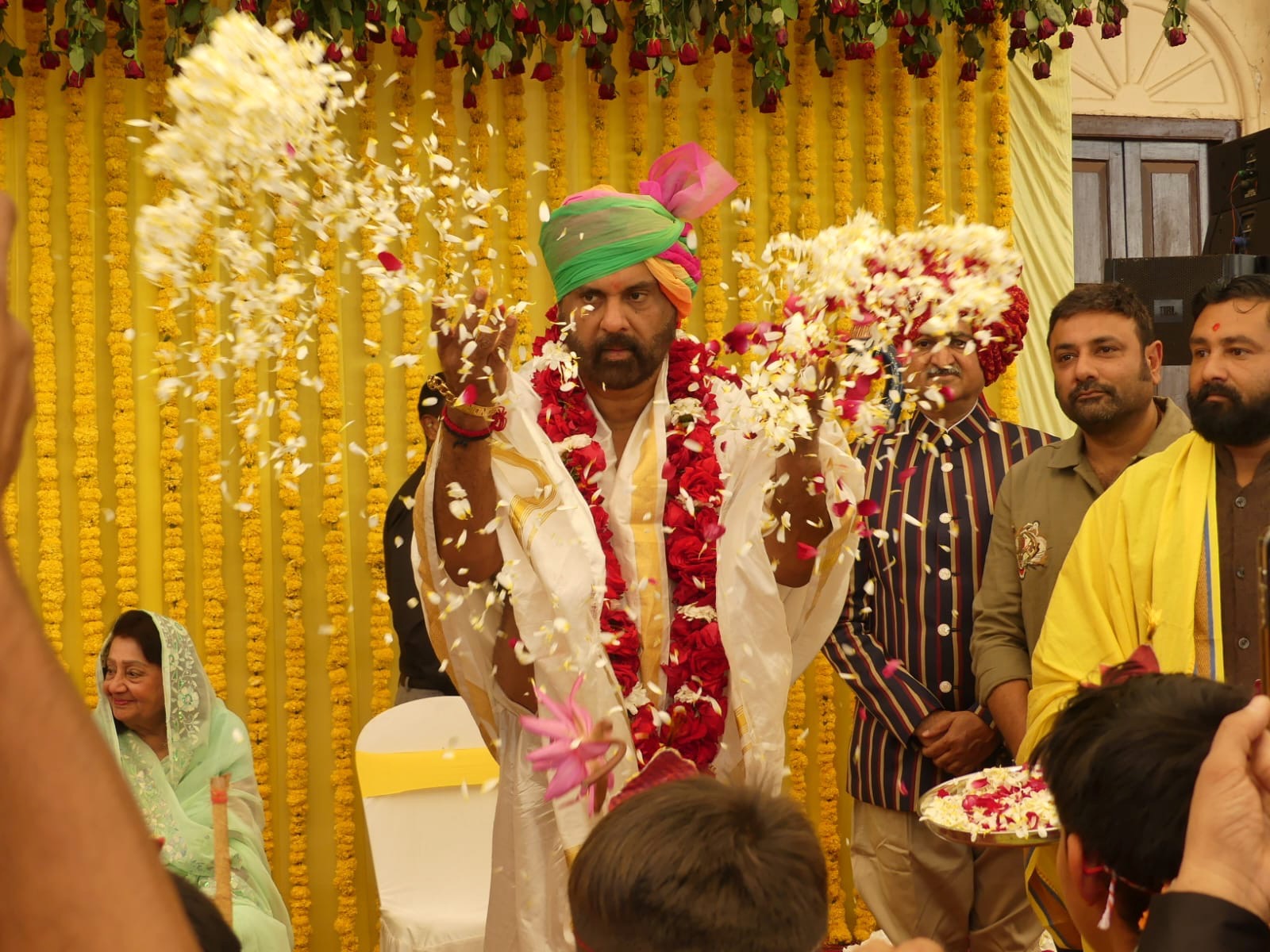
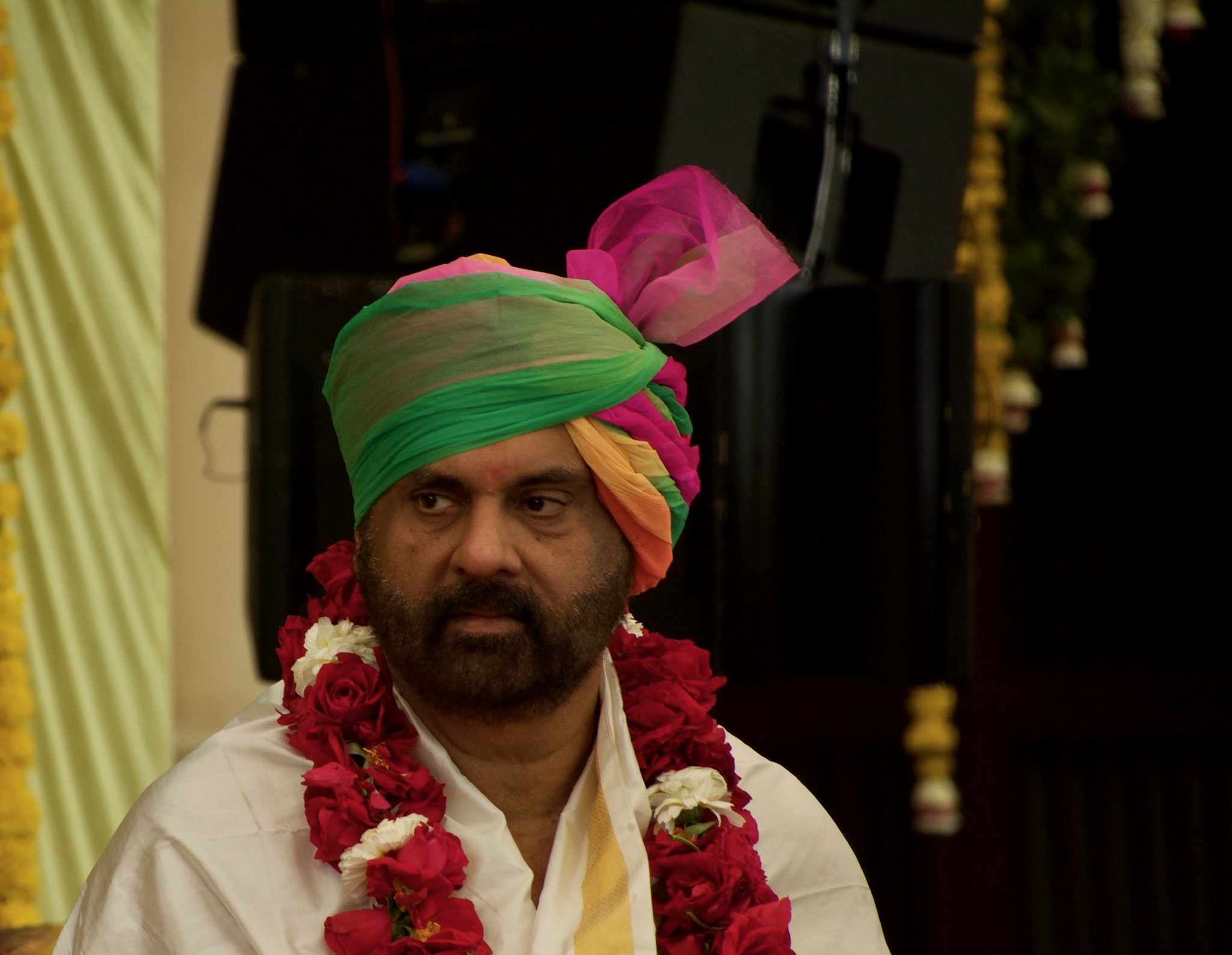
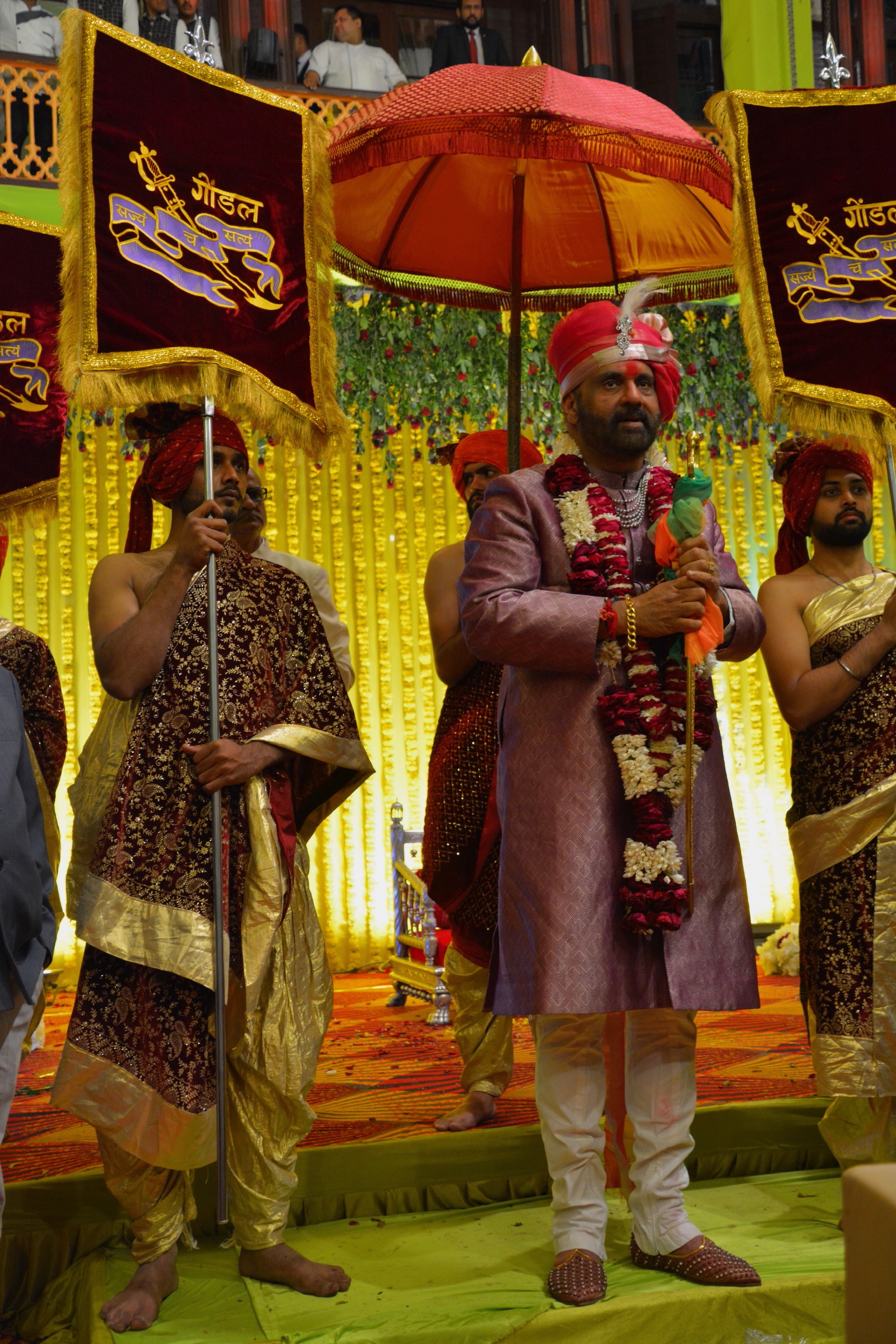
A rajtilak is a coronation ceremony of an India maharajah. When my grandfather invited me as a plus one to the rajtilak of his friend, Hima, I was quick to say yes alongside several other extended family members. As of time of writing, it is the only coronation I have been personally invited to. Hima was in line to become H H Himanshusinhji Jyotendrasinhji, Maharajah of Gondal, a city of over 100,000 people in the Rajkot district of the state of Gujarat, India.
From beginning to end, the ceremony lasts for around a week with significant portions happening in private. We were there for only two of the days: the day before and the day of the rajtilak vidhi, the coronation ceremony itself.
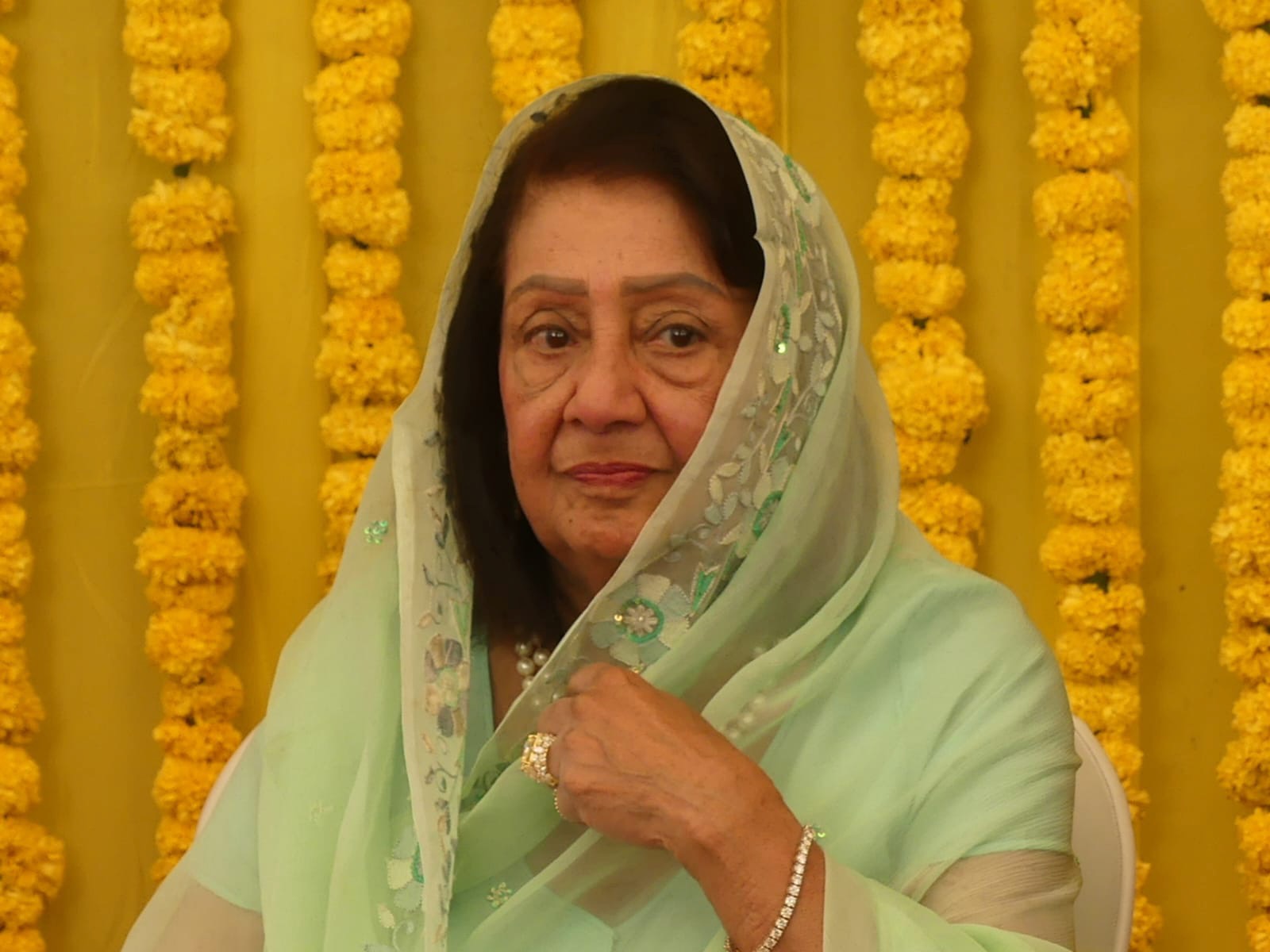
As accommodation in Gondal itself was completely full, we stayed in Rajkot, a neighbouring town about an hour’s drive from the events. Having landed in Mumbai on Friday morning, by Saturday evening I was still adjusting to the different time zone. Unfortunately for me, this resulted in my getting zero hours of sleep that evening before our 5am wake up call for the airport. After a delayed flight and one lost bag, we arrived at our hotel at midday on Sunday for a quick turnaround as we due at our first palace of the trip for lunch.
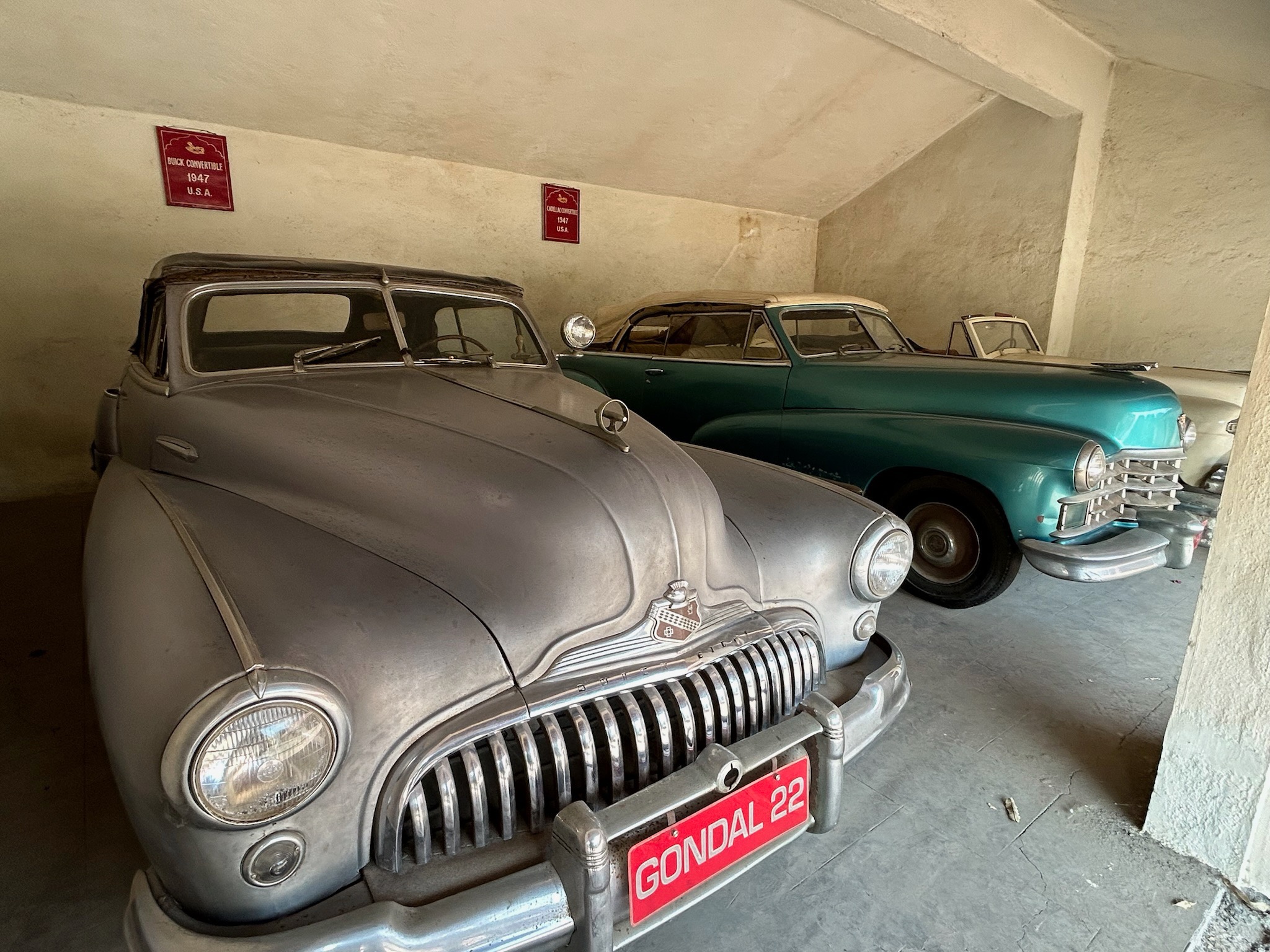
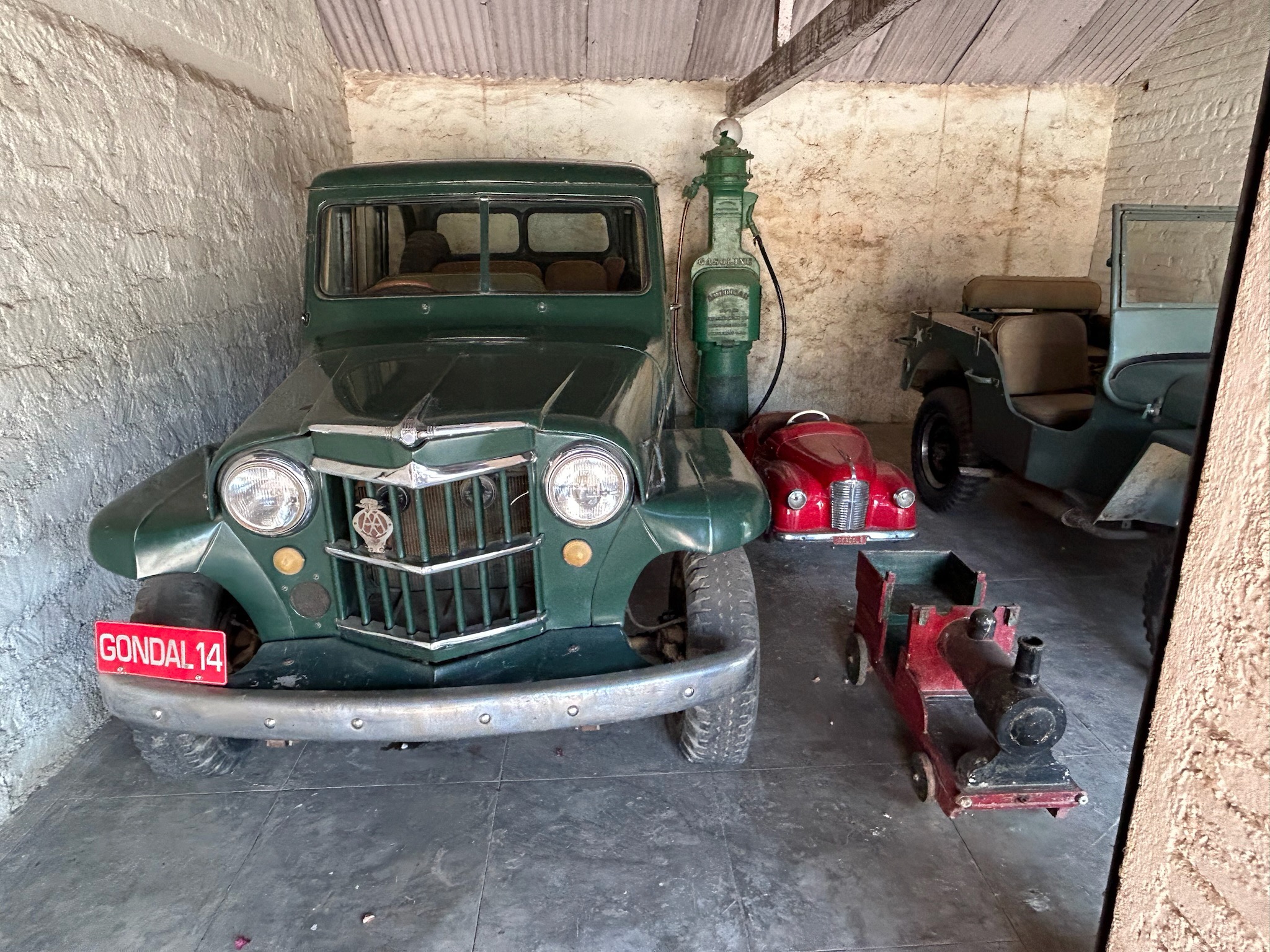
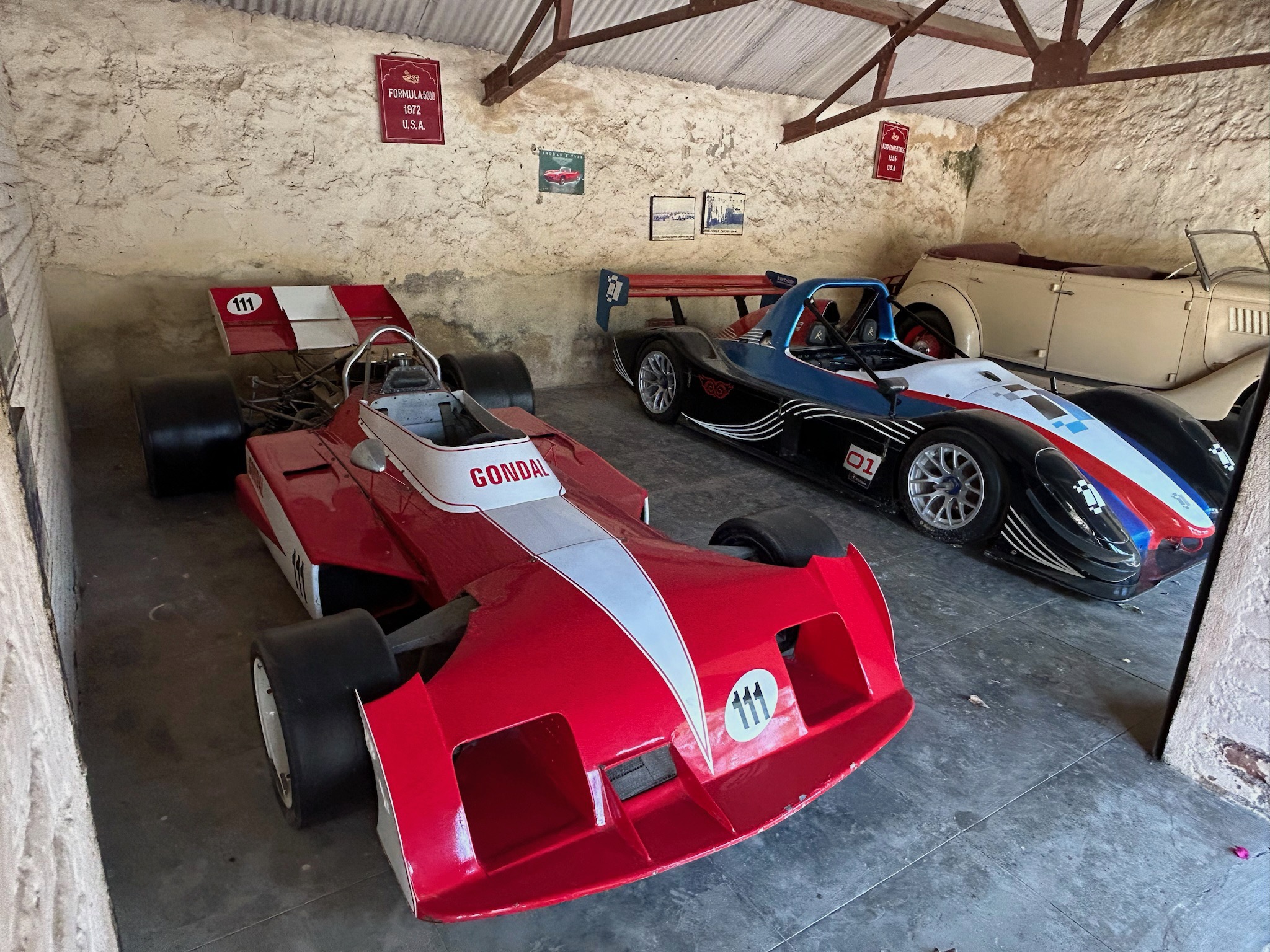
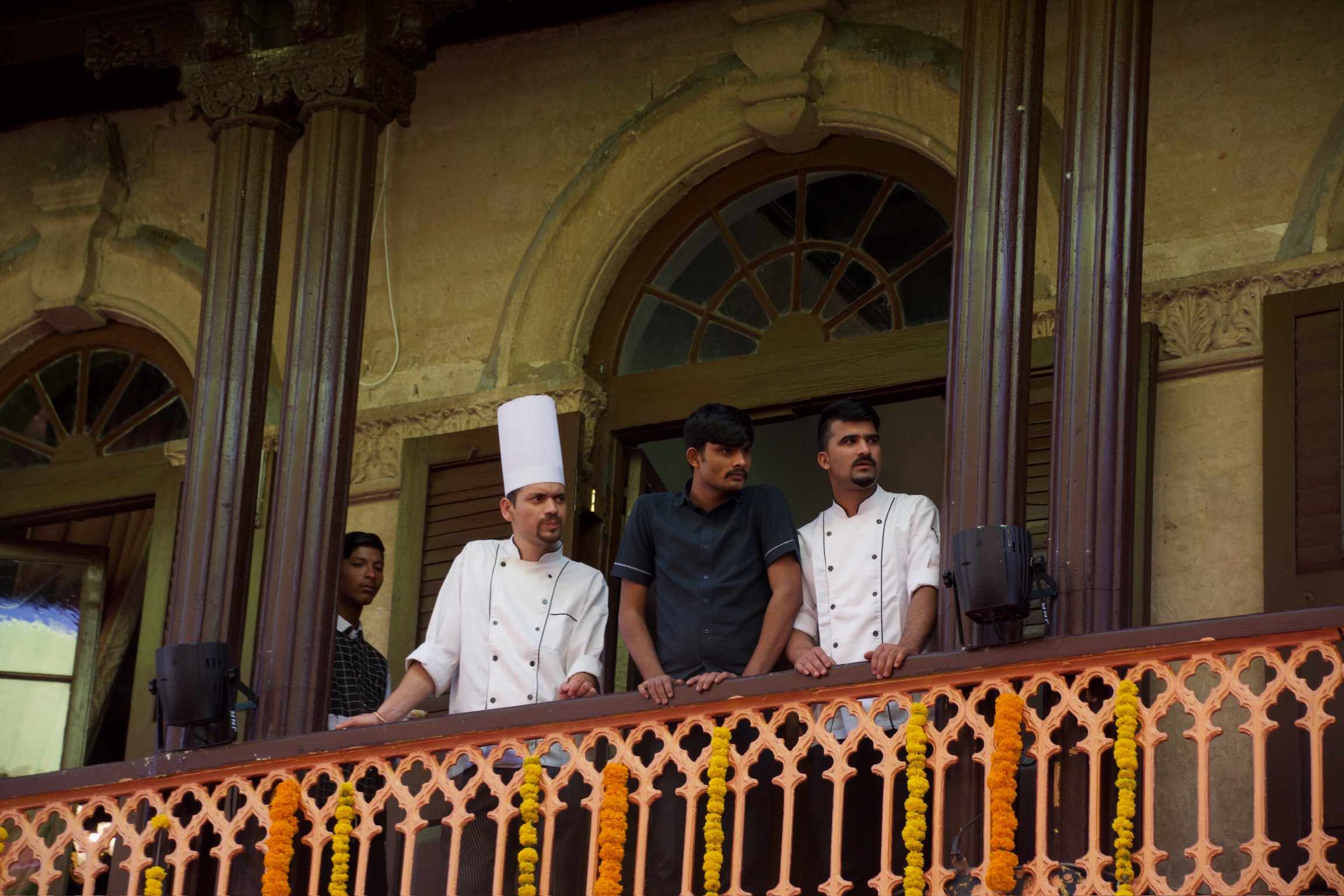
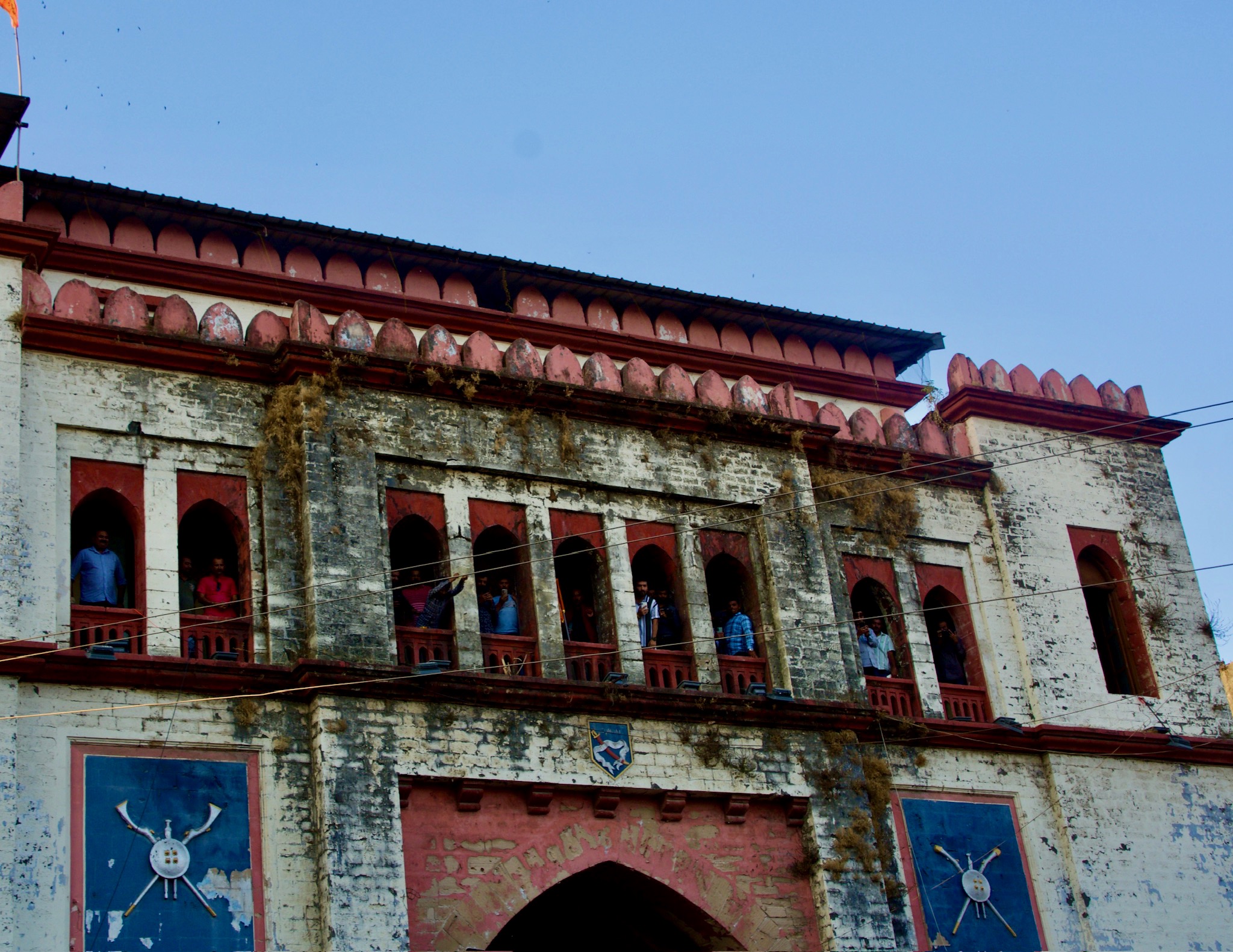
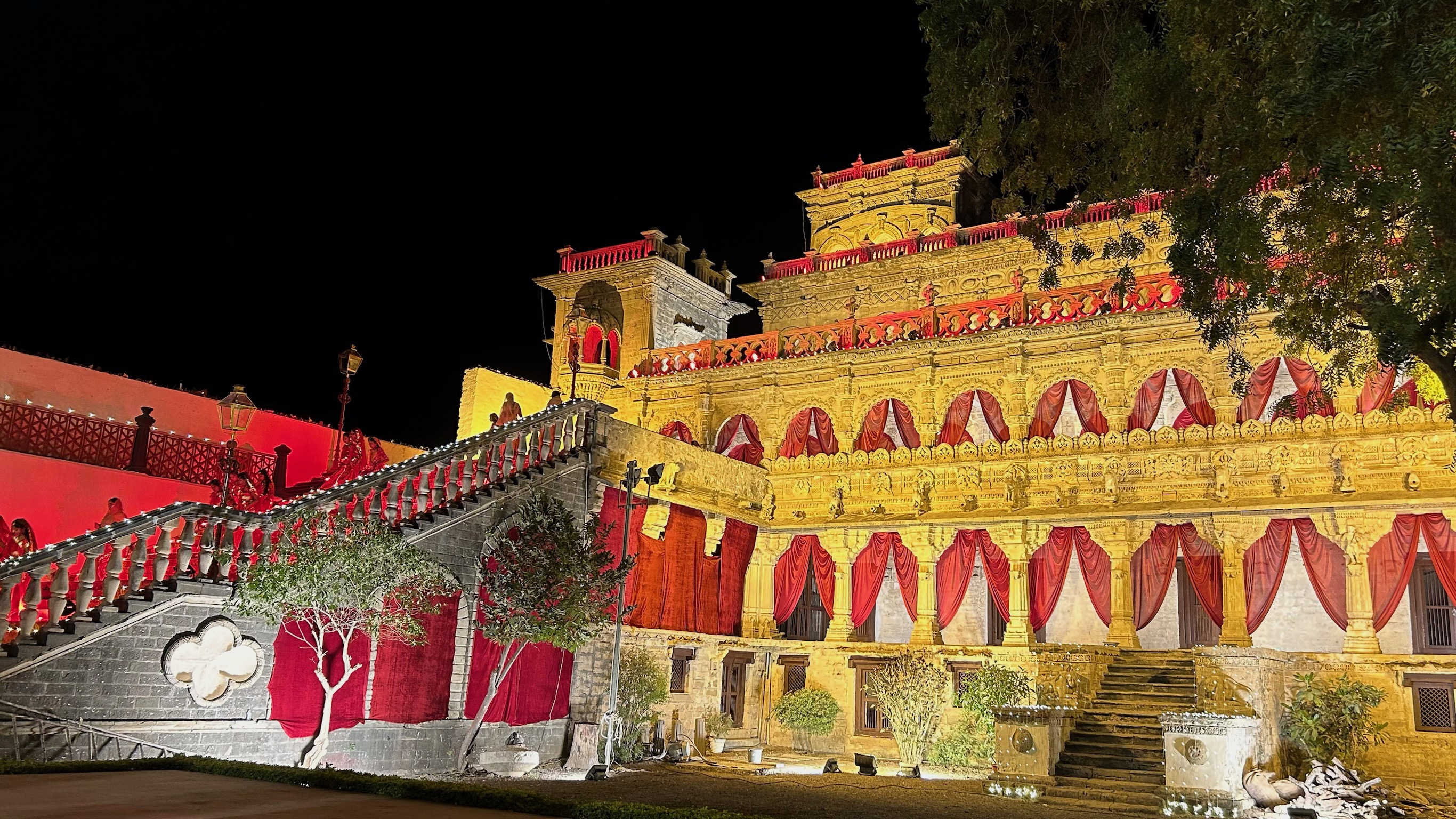
The palace in question was technically two palaces, Hazoor Palace and the Orchard Palace. The former is the family home of the maharajah-to-be whilst the latter is now a guest house. They are built on one plot and are only a few minutes to walk apart. Here we met the entourage of people personally invited by Hima. His tendency to collect friends from bizarre and wide-ranging situations became rapidly evident as we mingled – most notably through the attendance of seemingly half the international vintage car industry’s personnel. This common interest was explained when you saw Hima’s garage containing his collection of over twenty vintage cars. The oldest in his fleet was on wooden wheels and whilst I know nothing of cars, even I can tell you that’s pretty old!
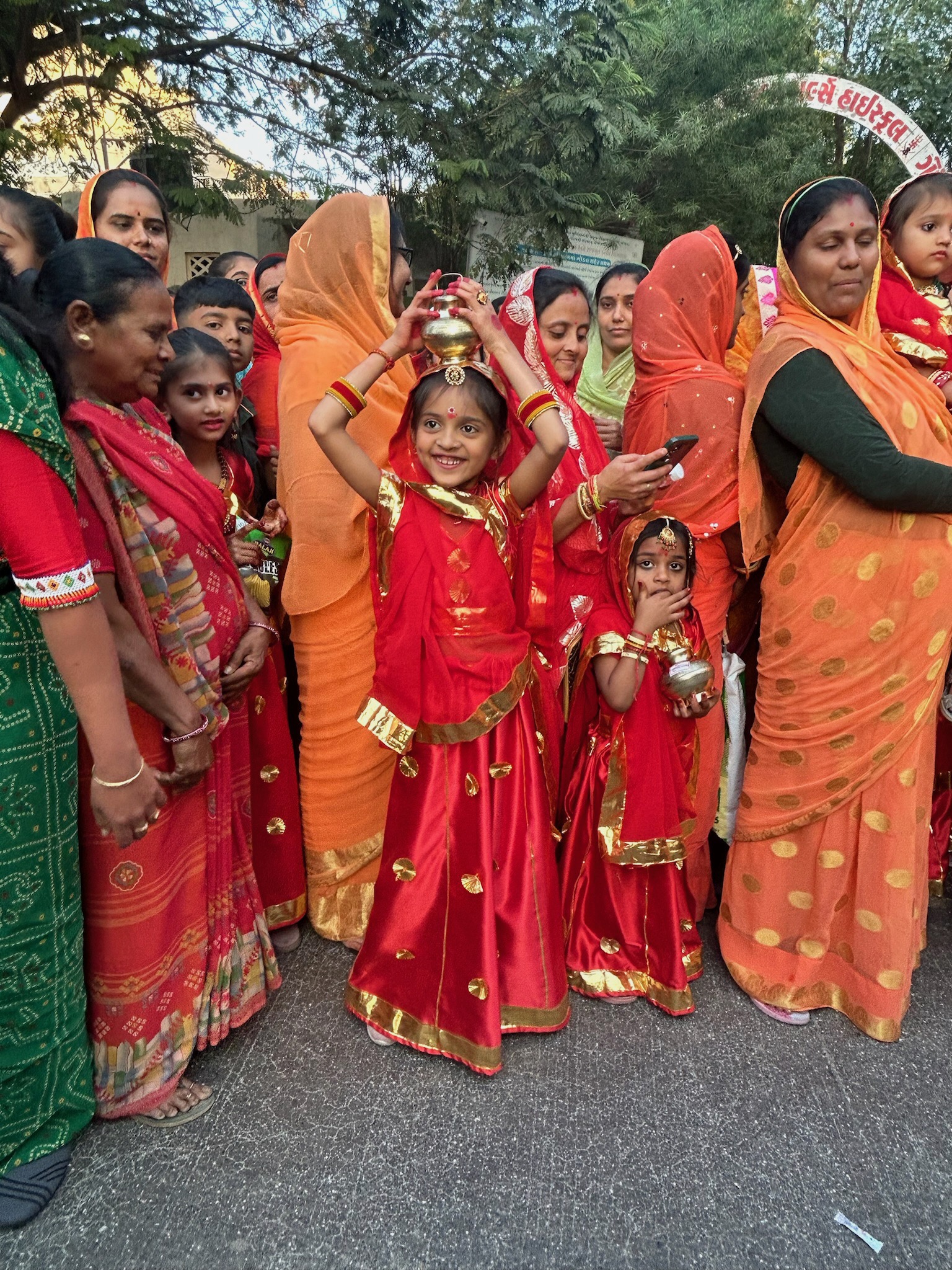
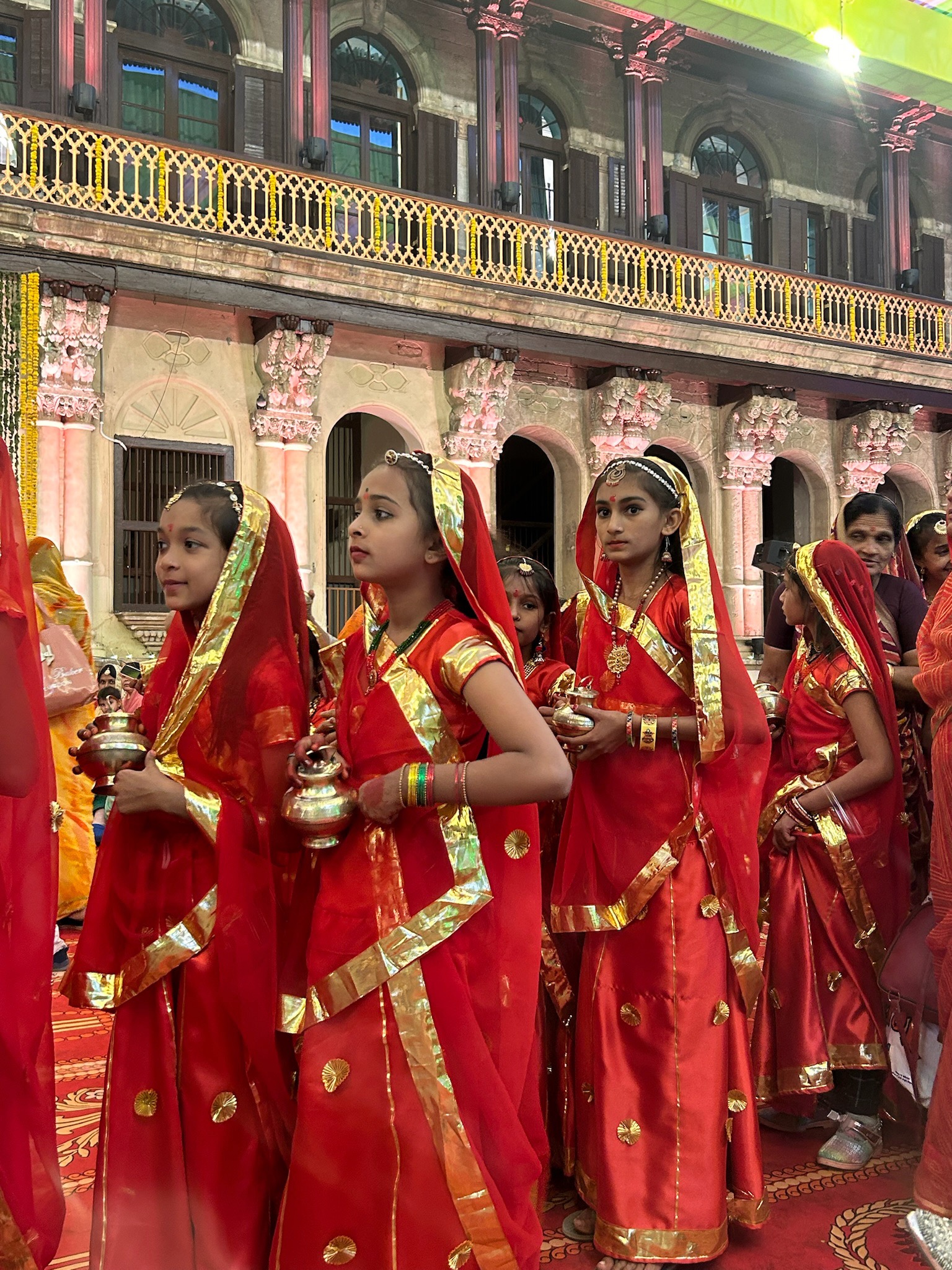
After lunch, we were taken to see the procession making its way through Gondal. This included 2100 girls carrying pots of holy water from over sixty local rivers to the temple to wash Hima with – breaking not one but two records both for the number of girls carrying the water and the number of different sites the water was collected from.
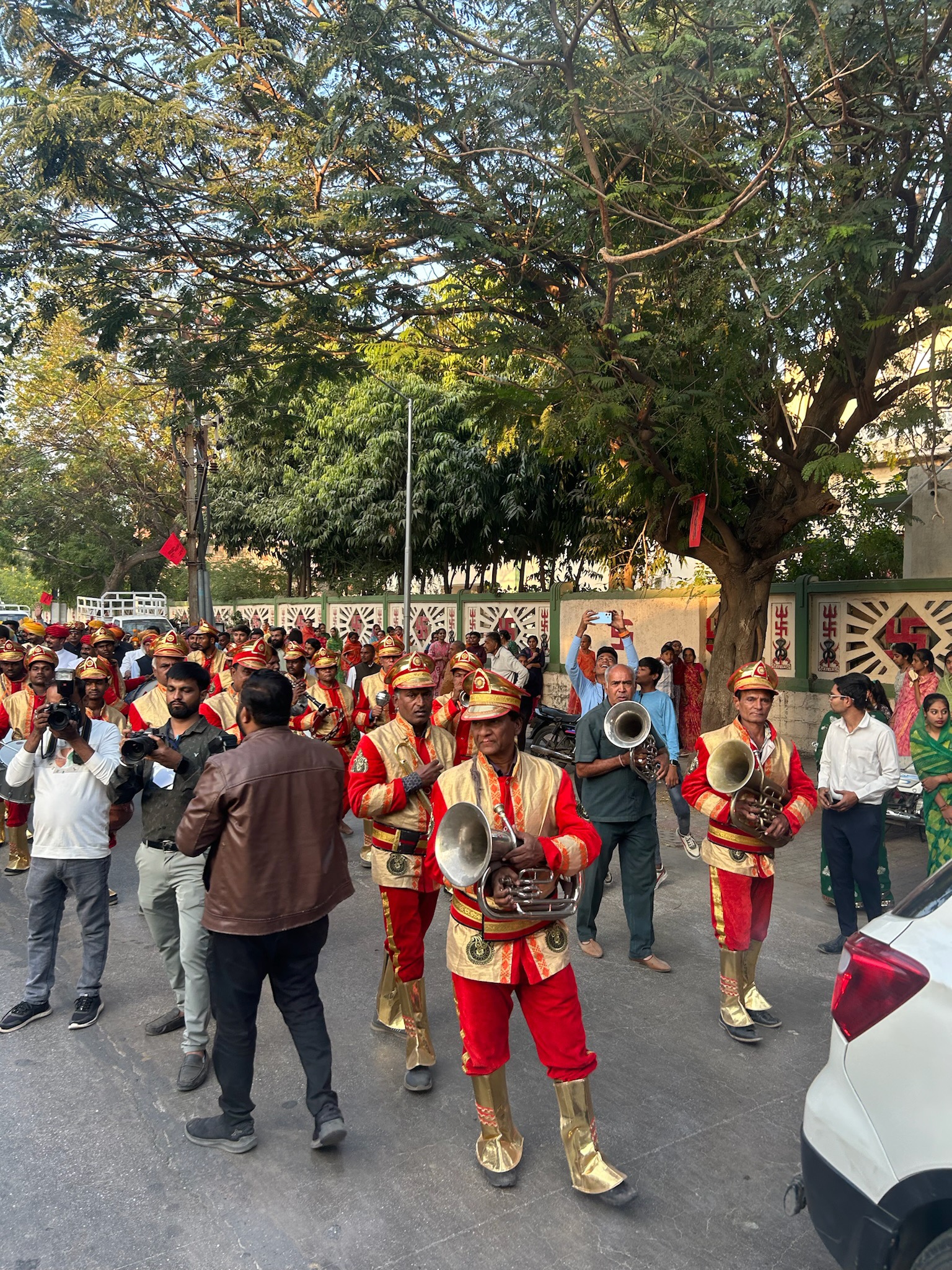
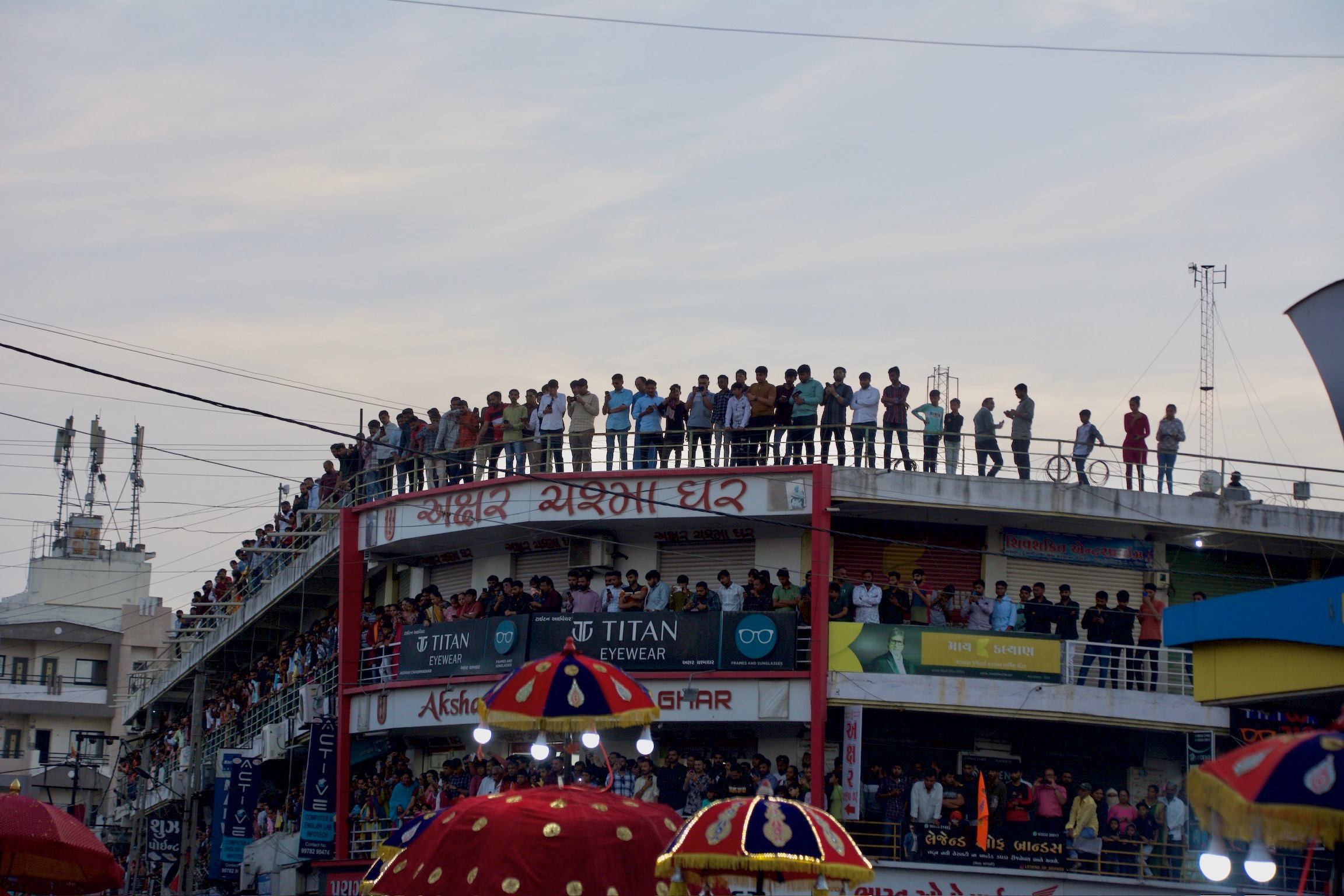
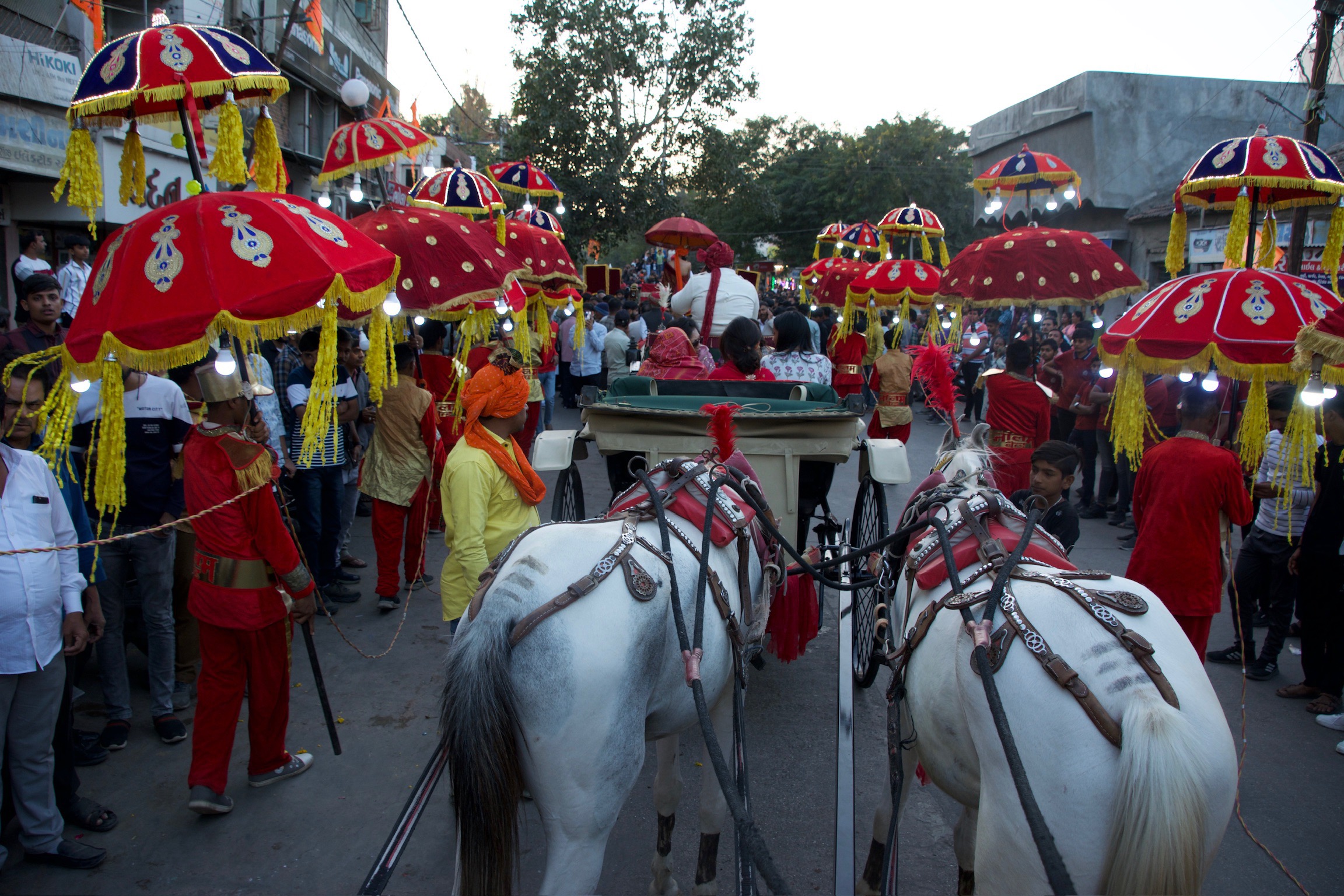
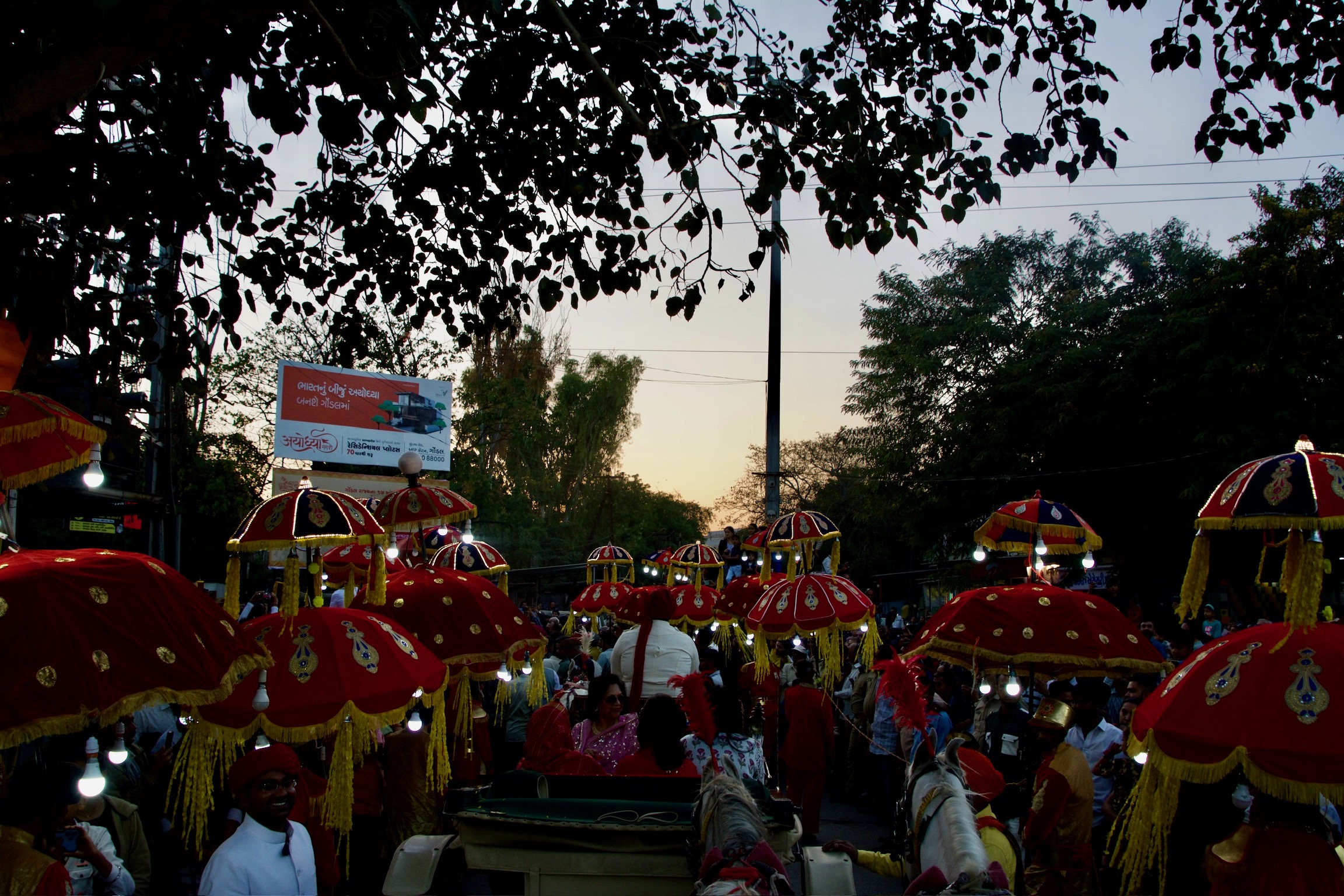
People filled the two-laned street shoulder-to-shoulder including several bands and at one point, two parallel lines of men carrying umbrellas adorned with light bulbs behind which drove a jeep carrying a generator to power said light bulbs. Most of the walkers however were just members of the public making their way to the old palace, Darbargadh, where the ceremonies were taking place.
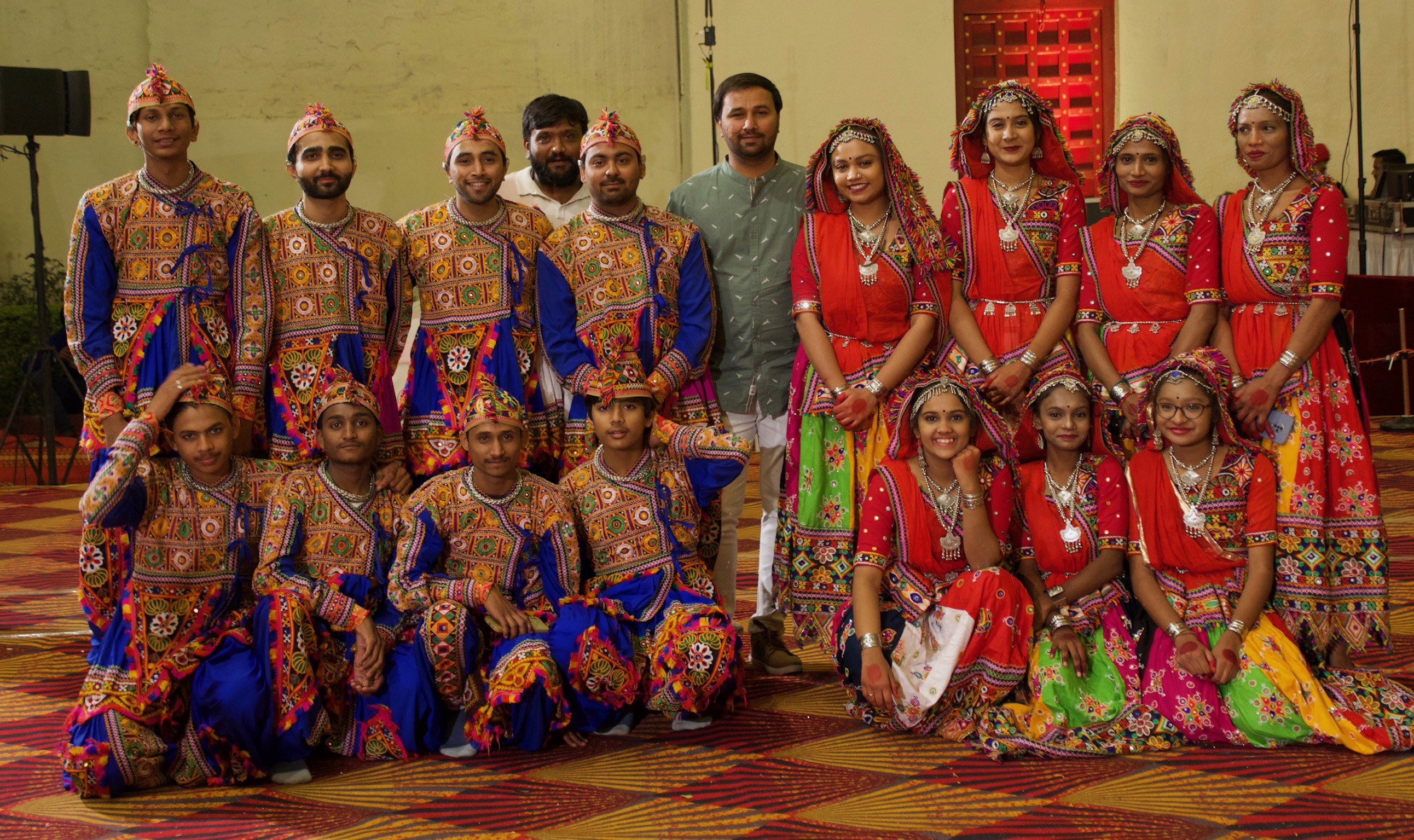
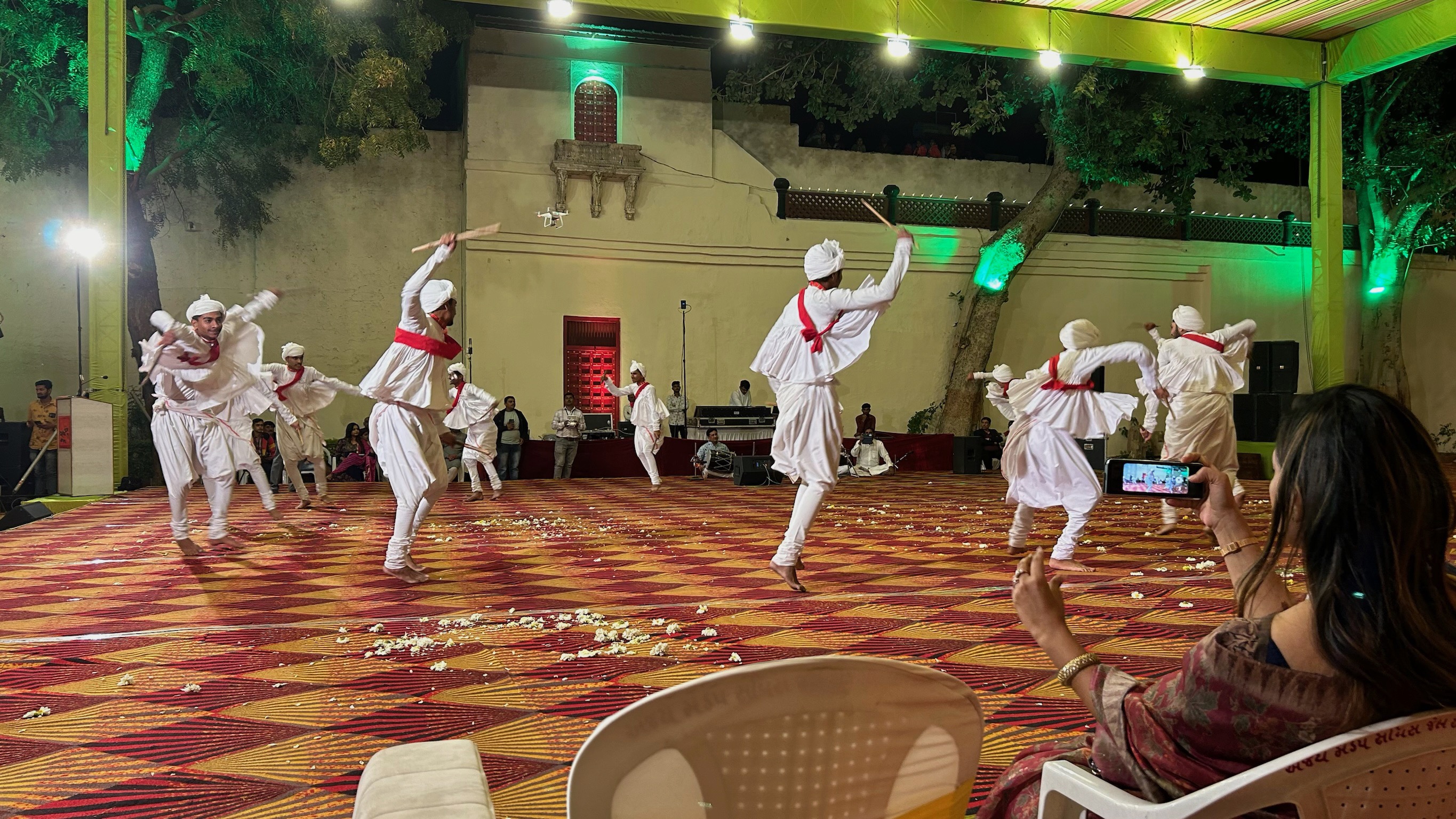
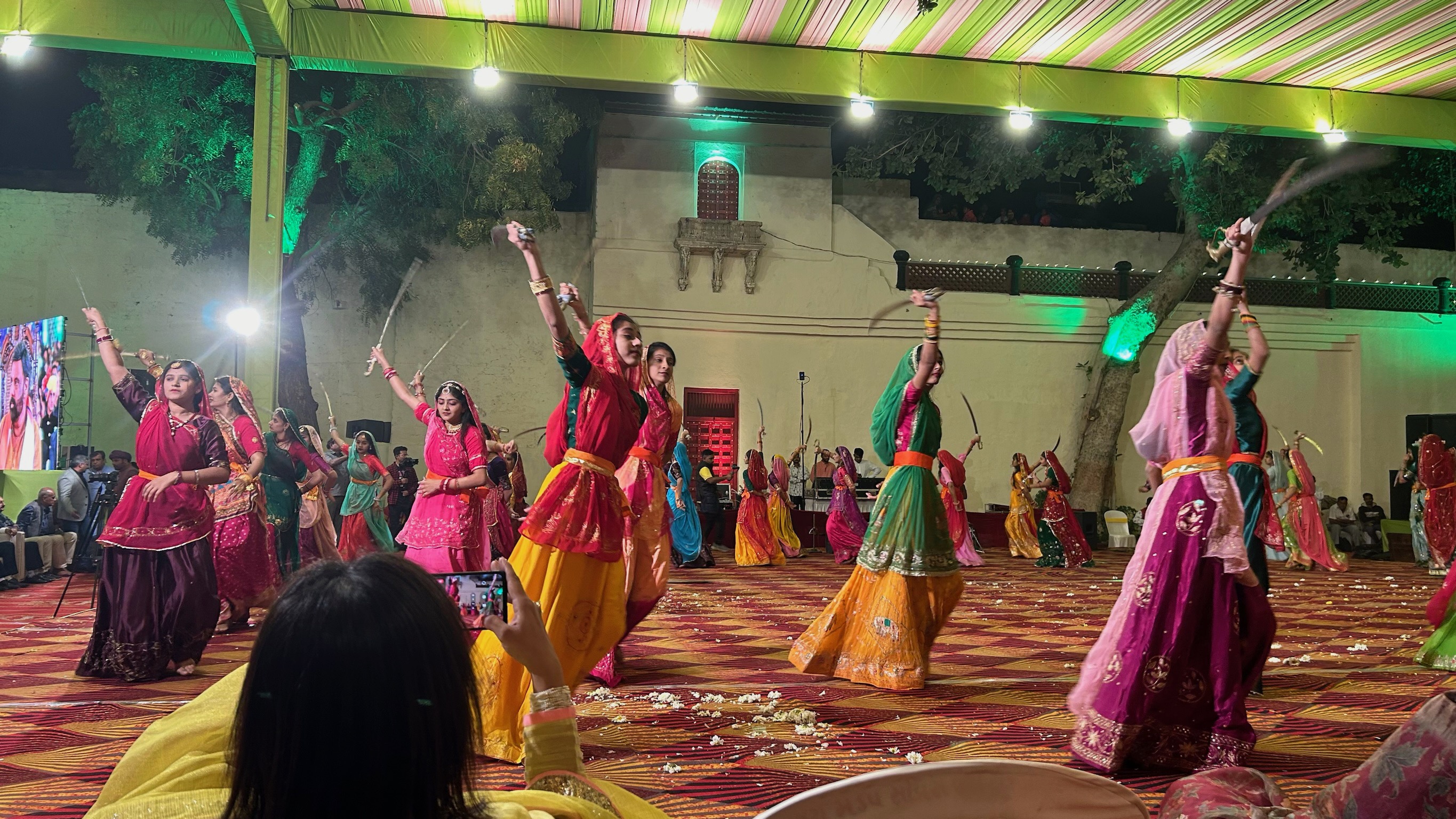
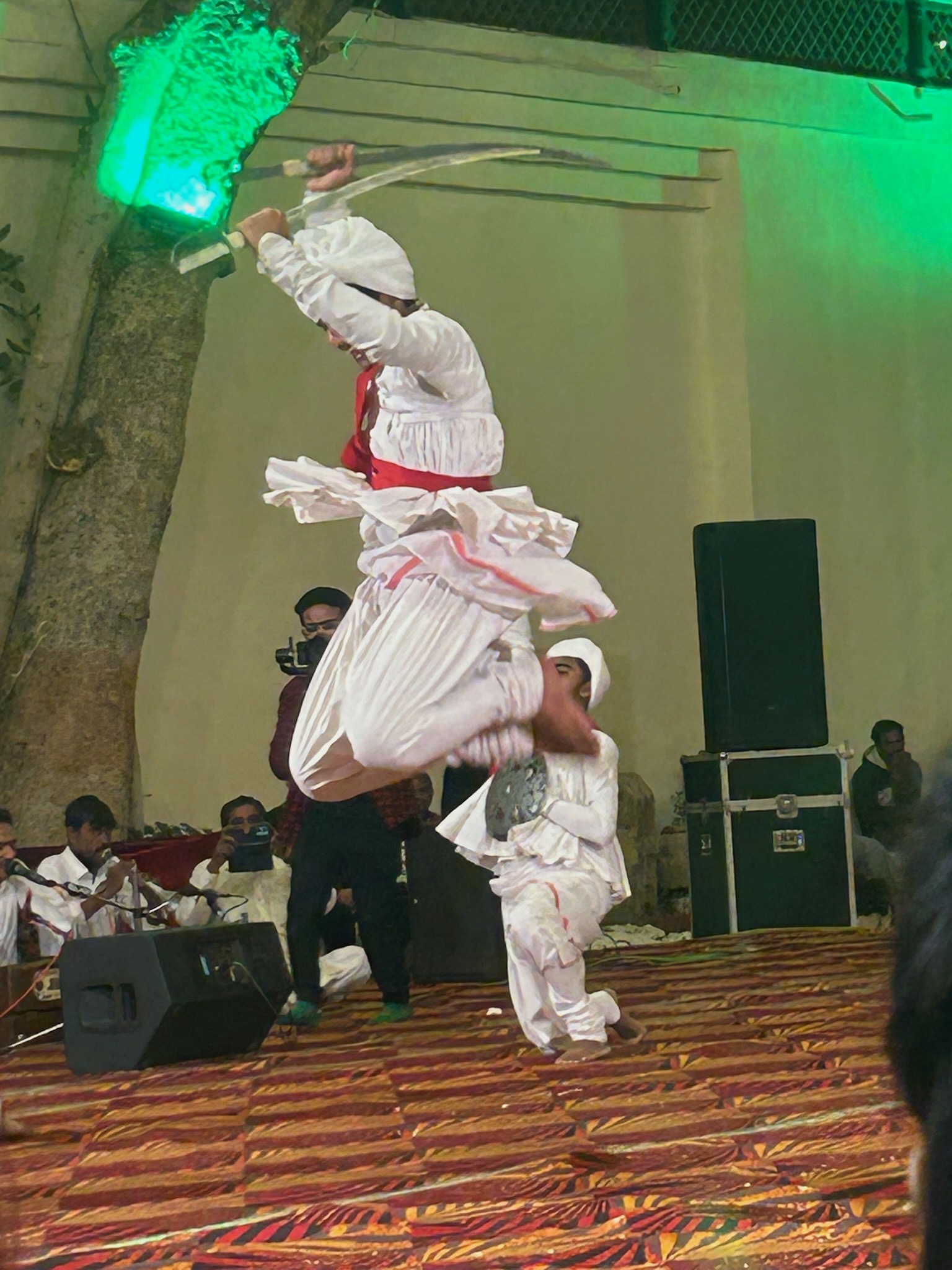
We left the procession and were driven to the palace, arriving before the procession. The girls carrying water arrived and took their places in the centre of the floor, in front of the seated area. After a dinner and mocktail interlude back at Hima’s house, we returned to the old palace to watch the dance performance of local school children. Watching teenagers swirl swords above their heads or towards one another is both impressive and slightly terrifying. The performances came to an end before midnight and everyone trailed back to hotel rooms, exhausted.
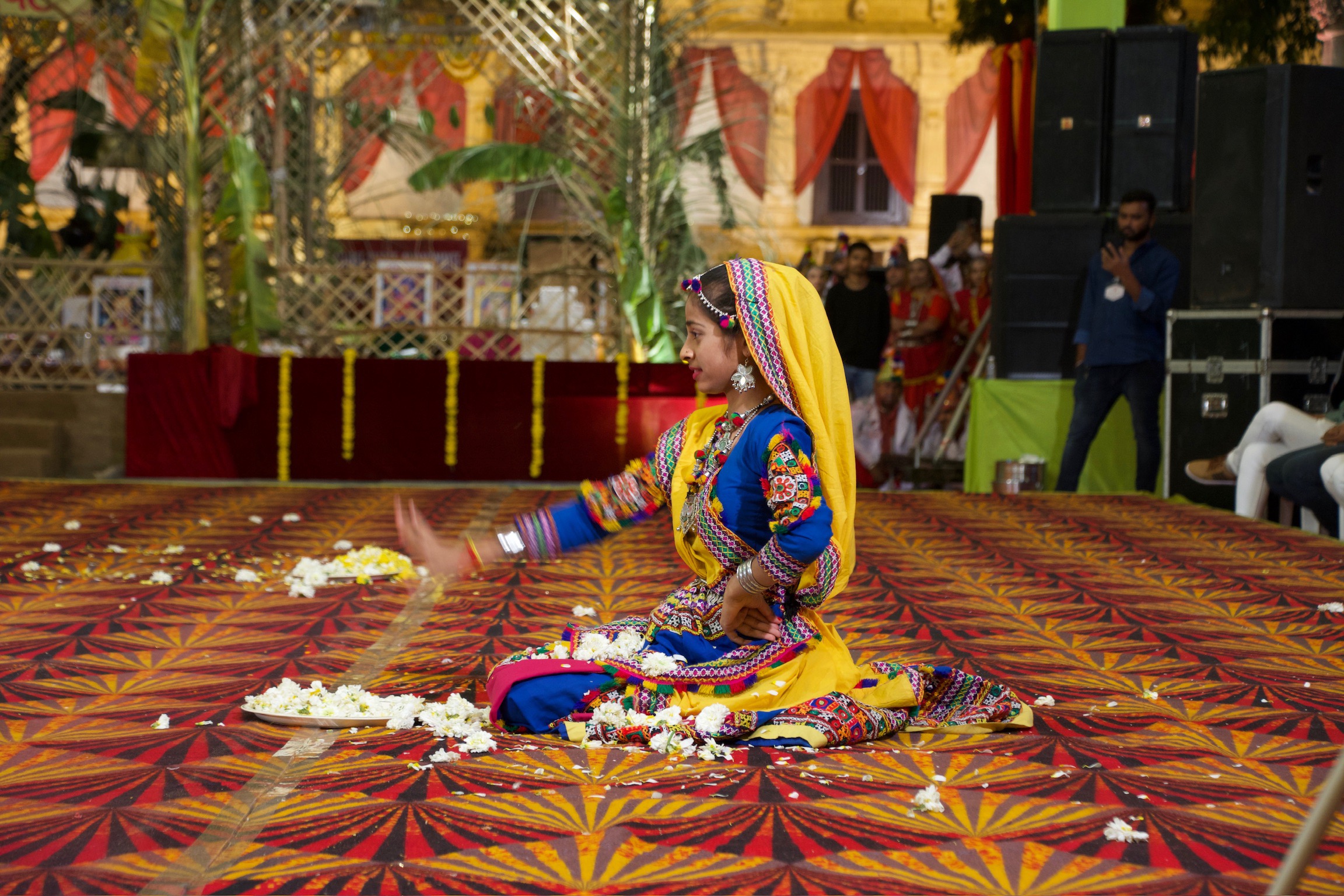
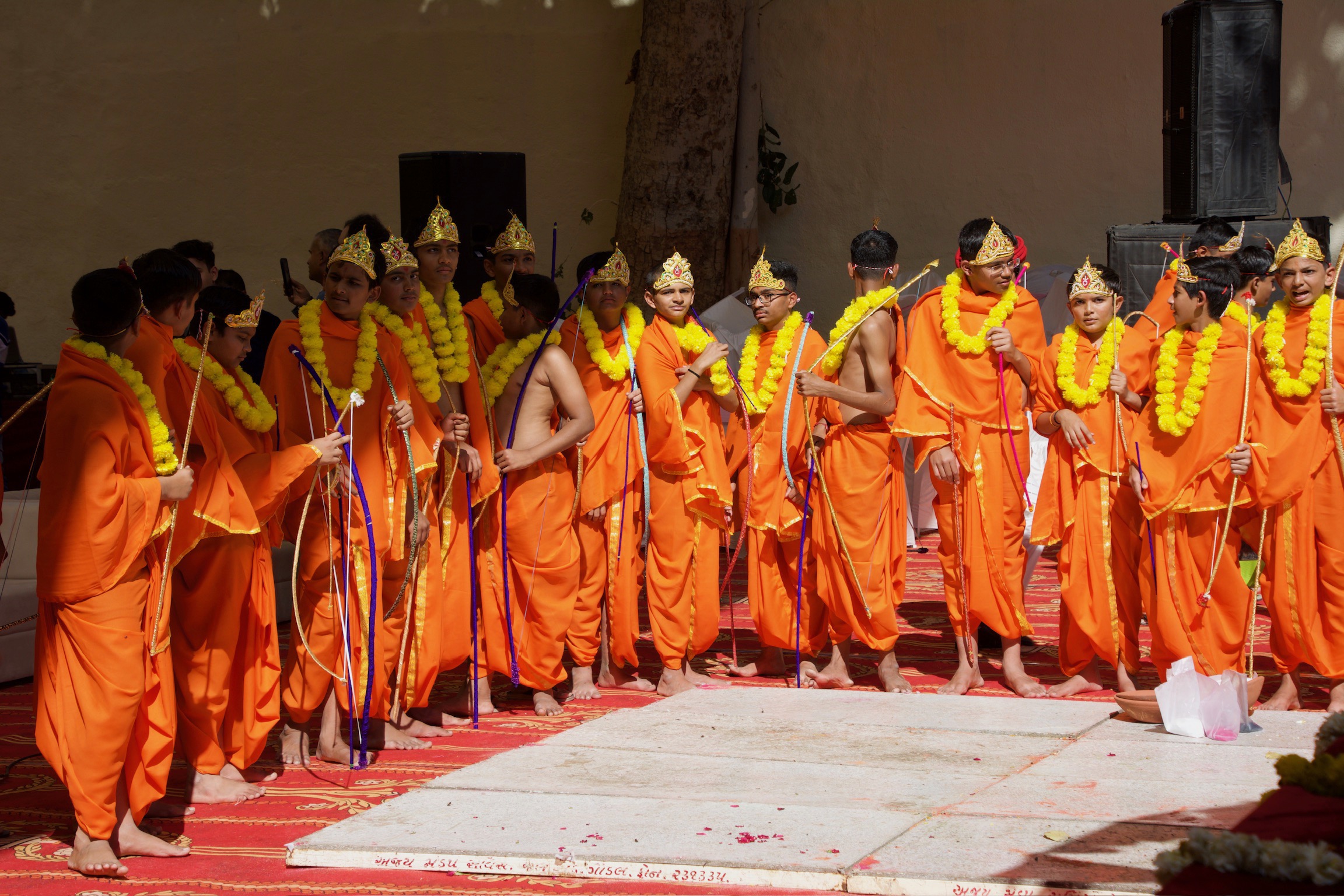
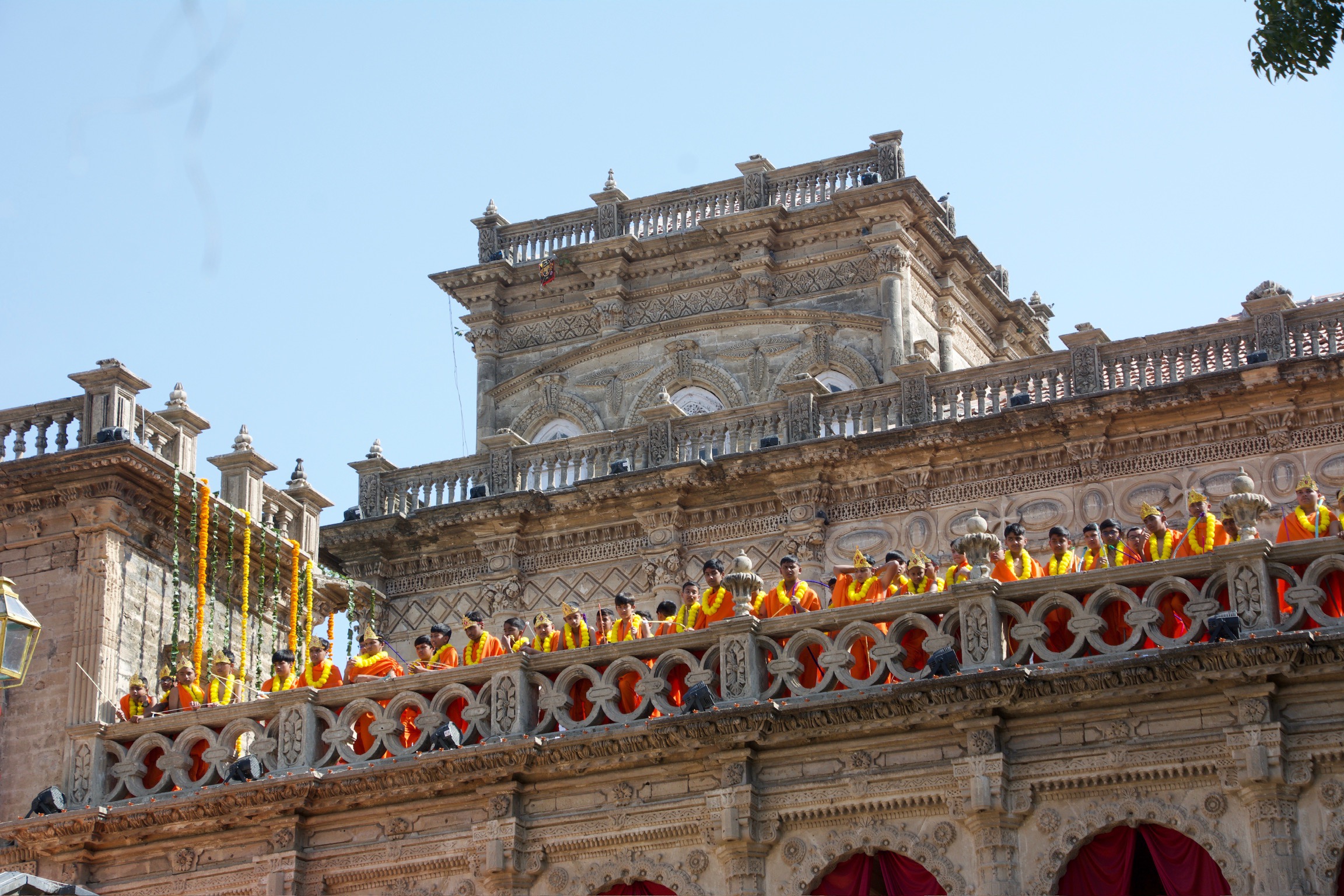
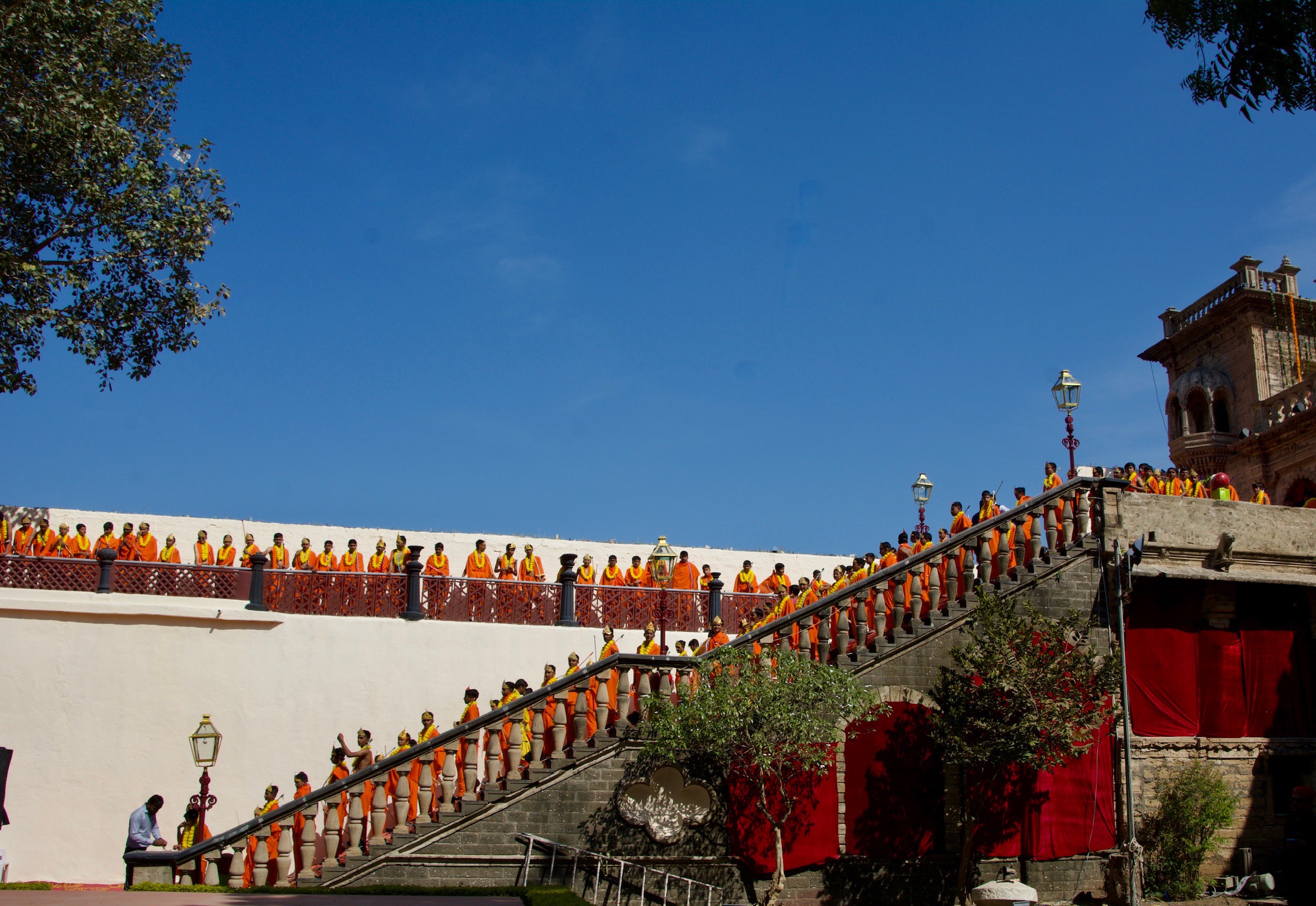
After breakfast the next morning we returned to the old palace to see the breaking of a third national record: the number of boys dressed as Ram – 1008 in all. As we were driving in, we passed an open jeep full of kids who were climbing out to line up next to another jeep, the back of which was full of model bow and arrows. As we arrived, these final children were taking their positions whilst a man drew spirals with sand around words written in flower petals on the floor. Dressed in orange and each carrying a bow and arrow, the children stood in neat lines across the hall. Looking up, more boys were standing on the balconies and staircases surrounding the hall.
The hall quickly began to fill with maharajahs, maharanis, the press and the general public alike. Once the rajtilak vidhi began it became harder to follow what was happening as all the speakers spoke in Gujarati, the language of Gujarat. Once, it came time to sing the national anthem however, the speaker switched to English explaining there was to be first the Indian national anthem and then, for the first time, Gondal’s own anthem. Whilst the lyrics had been written previously, they had never been put to music until now.
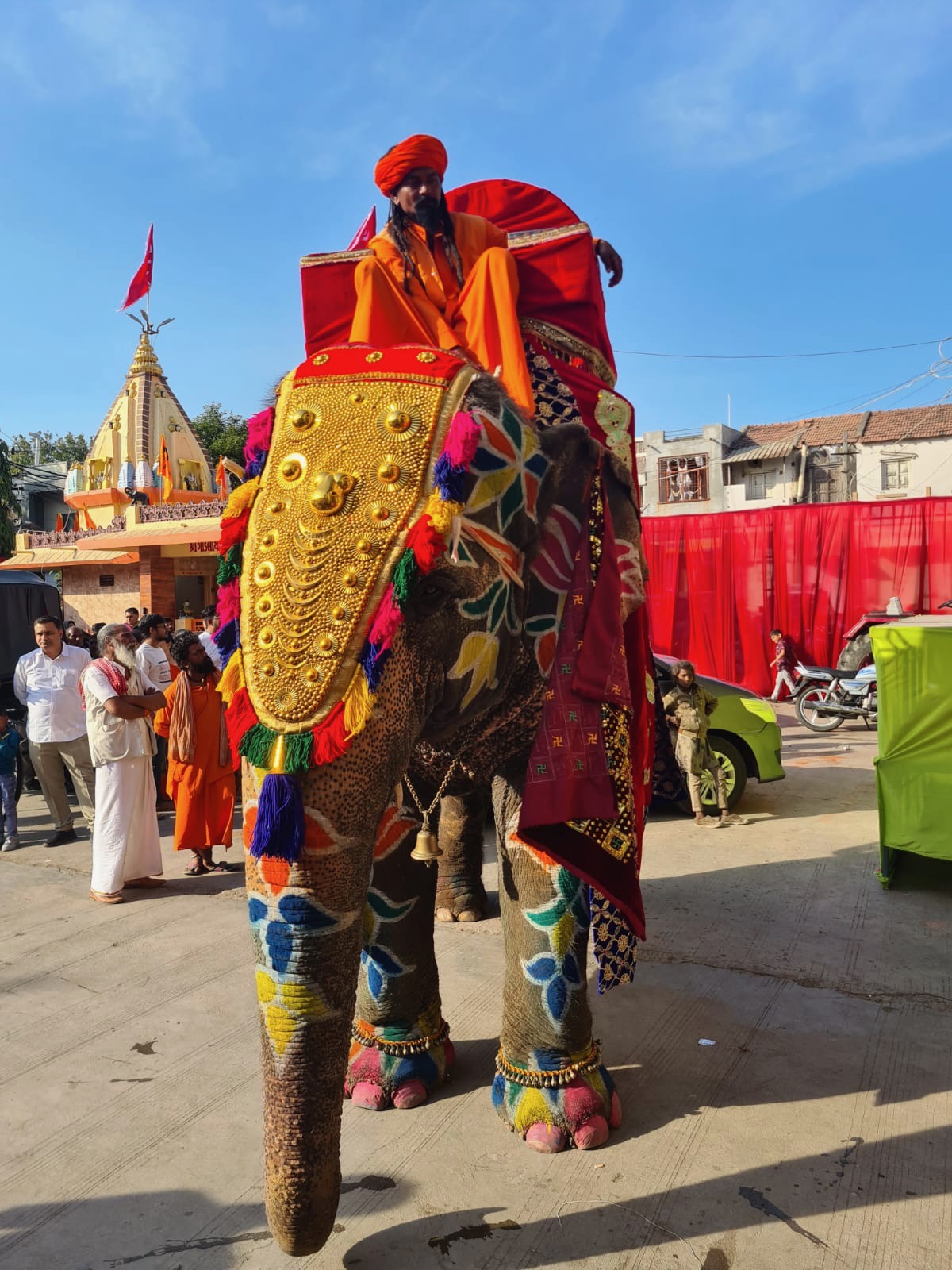
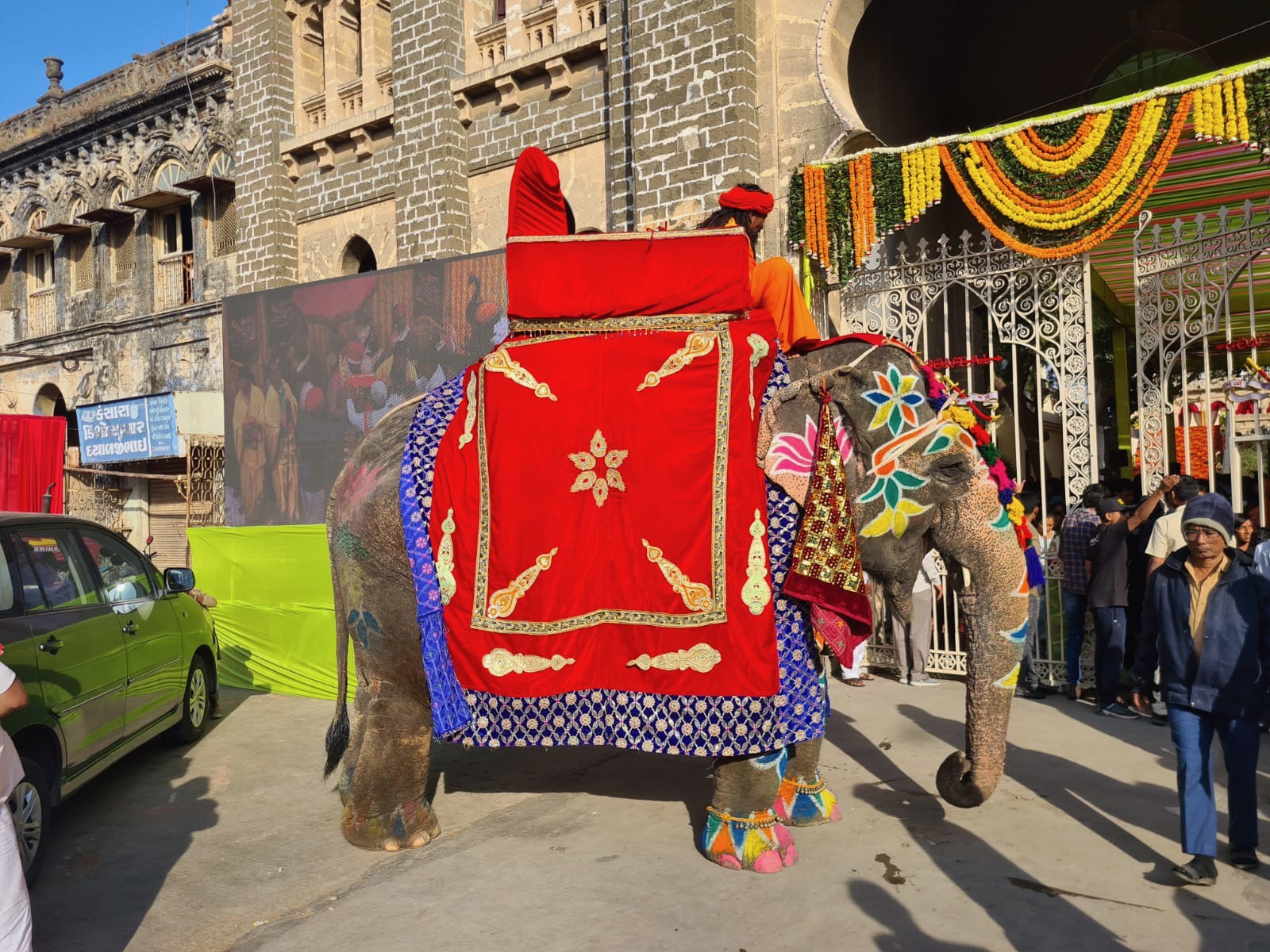
After the anthems, gifts were given to Hima and then it was time for another procession – one that we were to be part of this time. We had been hearing a lot about the elephant that was to lead this second procession. The organisers had been scouring the country and had only found one two days before the event. I must have given away my excitement at this as another guest preyed on my gullibility by promising me a lion alongside the elephant – I was bitterly disappointed.
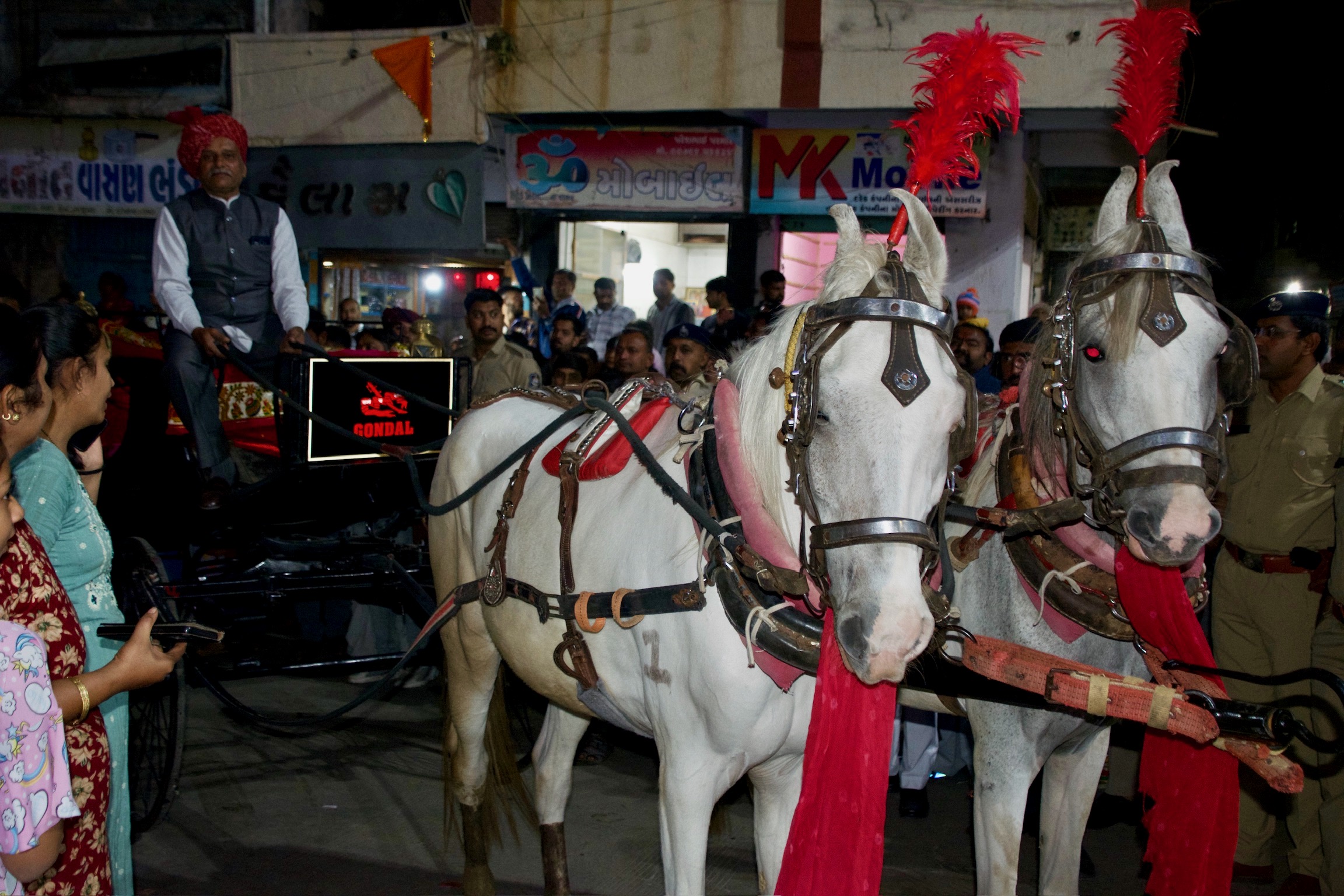
The elephant (but no lion) had arrived earlier in the afternoon and could be seen outside the gate of the hall during the ceremony. Following the crowd, we headed outside to the street packed with people watching the service on large screens. Enduring a few minutes of confused pandemonium, my eighty-seven year old grandfather on my arm, we found ourselves bundled into a horse-drawn carriage and away with the procession we went.
By coincidence, the carriage we were in was directly in front of the same car loaded with the generator powering the umbrella lights; as the men carrying the umbrellas could walk around the side of our carriage but the jeep itself could not pass, we were flanked by glowing umbrellas for most of the two and a half hour ride. Behind the jeep, we caught sight of my brother, riding in a green vintage Buick which over heated twice and was attended to by the onsite mechanic, tasked with overseeing the smooth running of the whole vintage car fleet.
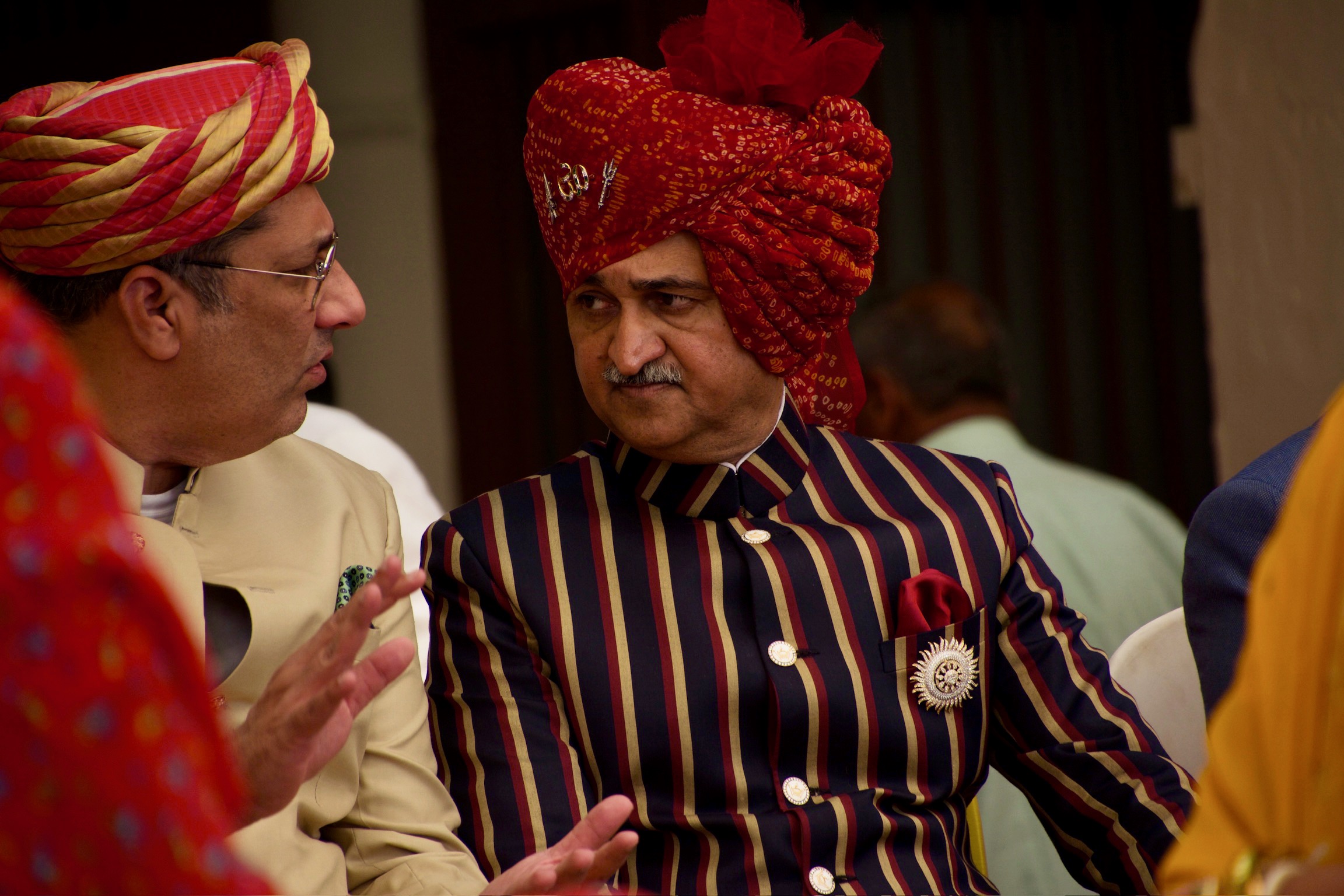
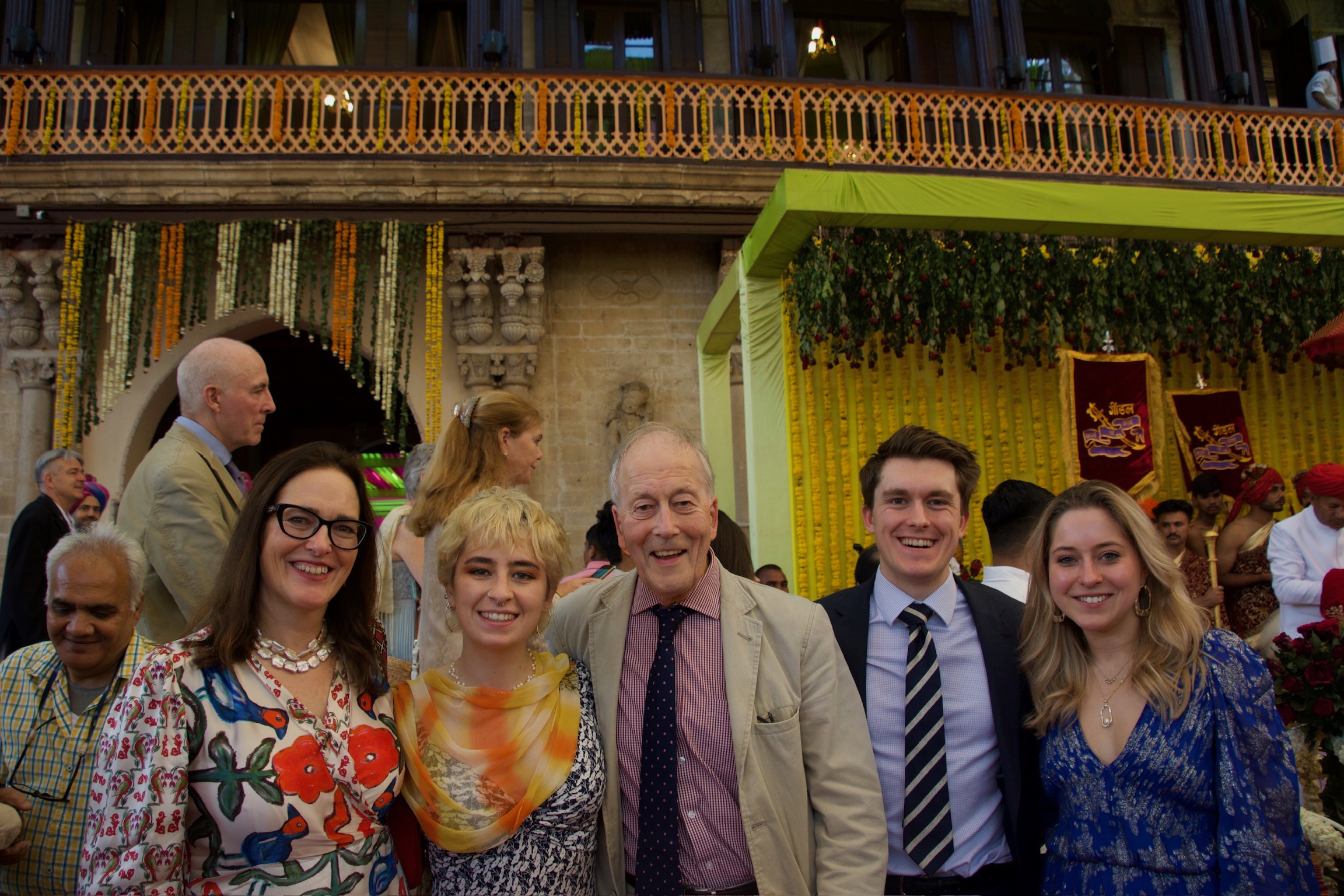
When we arrived back at the palace, dinner was ready. When my brother eventually appeared, his car having been delayed due to its breakdowns, we headed up together and filled our plates. As we stood scanning tables for friends we had made, the maharajah of Rajkot, the town we were staying in, beckoned us to join his table where he was sitting alone. Unable to decline an invite from royalty, we joined him and chatted about the day. A few moments later Hima also joined our table although he wasn’t eating as he had to fast for several days over the event. My brother and I exchanged bewildered glances at one another, baffled as to how we had found ourselves in a 1:1 ratio with maharajahs. Despite being slightly astounded, the food and the company were very enjoyable and we chatted away. By this point we were pretty exhausted but not as tired as Hima must have been, having had days of rituals preceding those we had joined him for and with several more days to come. The two maharajahs explained that the mental and physical challenge of the duration of the ceremony and the fasting were part of preparing the individual for the role itself – not everyone can be a maharajah.
After dinner, we exchanged phone numbers and Instagram handles with people we’d met and were all too ready to collapse in our hotel beds. The two days had been completely extraordinary – possibly the most surreal forty-eight hours of my life!
And there you go: that is how I found myself at dinner with my brother and two maharajahs.
 A Year in Nepal